Fennel Disease Control Requires Attention to Field Management and Scientific Pesticide Use
Fennel is a common spice vegetable that also has medicinal value. During its growing period, it is easily attacked by a variety of diseases, the main common ones being powdery mildew, root rot, leaf blight, sclerotinia rot, and seedling damping-off. These diseases are mostly caused by fungi and are more likely to occur under conditions of high temperature and high humidity, poor ventilation, and waterlogging in the field. In mild cases, they affect leaf quality and flavor; in severe cases, they cause large patches of plants to wither and die, so prevention must be done in advance.
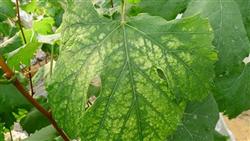
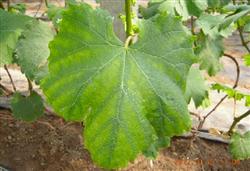
Powdery mildew is one of the most common diseases of fennel. When it occurs, a white powdery mold layer appears on the leaf surface, and the leaves gradually turn yellow and wither. Root rot mainly damages the roots and root crown; affected plants show yellowing and wilting of the lower leaves, and in severe cases the entire plant dies. At the seedling stage, watch out for damping-off: the base of the seedling stem becomes water-soaked and constricted, then the seedling topples over, which can easily cause missing plants and gaps in the rows.
For control, agricultural measures should be combined with chemical control. Before planting, choose a plot with higher terrain and good drainage, practice reasonable crop rotation, avoid continuous cropping with crops of the same family, and combine deep plowing and sun-drying of the soil to reduce sources of pathogens in the soil. Before sowing, seeds can be disinfected, such as by soaking in warm water or seed dressing with chemicals, which helps reduce the incidence of disease at the seedling stage.
During growth management, plant at a reasonable density, maintain ventilation and light penetration in the field, and water preferably with small amounts frequently, avoiding flood irrigation and prolonged waterlogging. At the same time, control the amount of nitrogen fertilizer and increase phosphorus and potassium fertilizer to improve plant resistance. Diseased plants found should be promptly removed and taken out of the field for disposal to prevent the spread of pathogens. In the early stage of disease, targeted fungicides can be used for spraying or root drenching. Pay attention to rotating pesticides to delay the development of resistance, and strictly observe the pre-harvest interval before harvest to ensure product safety.
Related Reading