For pak choi disease control, do a good job of identifying common diseases and applying integrated prevention and control
Pak choi has tender leaves and a short growing cycle, and is a common leafy vegetable, but it is easily infected by a variety of diseases during cultivation. Once a disease becomes widespread, it may at best affect appearance and quality, and at worst cause relatively large losses, so doing a good job of prevention and control is an important part of ensuring stable yields and high quality in pak choi.
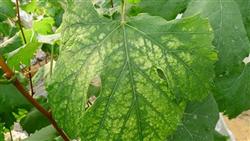
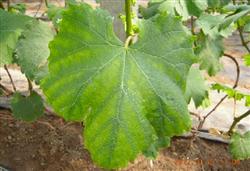
The main common diseases include downy mildew, soft rot, viral disease and white spot disease. Downy mildew mostly produces grayish-white mold on the underside of leaves, with pale yellow lesions on the corresponding upper surface; soft rot often begins as rotting near the ground at the leaf stalk and carries an off odor; viral disease appears as leaf crinkling and mosaic deformity, and is mostly spread by aphids; white spot disease forms small grayish-white spots on the leaf surface. Familiarity with these symptoms helps with early detection and early treatment.
Agricultural control is the foundation. When planting, rotate with non-cruciferous crops to avoid continuous cropping worsening soilborne diseases; before sowing, seeds can be disinfected and varieties with better disease resistance selected; in the field, pay attention to clearing ditches and drainage, and reasonable close planting to maintain ventilation and light penetration; after harvest, promptly remove diseased residues and deeply plow the soil to reduce pathogen accumulation.
Chemical control should adhere to early detection and early application. For downy mildew, targeted fungicides can be selected for spraying; for soft rot, promptly pull out diseased plants at the early stage of onset and spread lime in the diseased holes for disinfection; for viral disease, the focus should be on controlling aphids and other virus-transmitting vectors. When applying pesticide, pay attention to rotating chemicals, observe the safety interval, and stop application according to regulations before harvest.
Overall, pak choi disease control should take prevention as the main approach and integrated control as the principle, combine agricultural measures with chemical means, and strengthen field inspections in response to weather changes, so as to effectively reduce the disease incidence and ensure robust growth of the plants.
Related reading