Disease Prevention and Control Methods for Baby Bok Choy and Identification of Common Diseases
Baby bok choy is a small type of Chinese cabbage with a compact plant form, tender leaves and a sweet, crisp taste, making it very popular with consumers. It has a short growing period and a high leaf moisture content, so when it encounters high temperature and high humidity during growth or is poorly managed, it is easily infected by various diseases. Doing a good job of disease prevention and control is a key step in ensuring yield and quality.
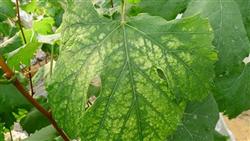
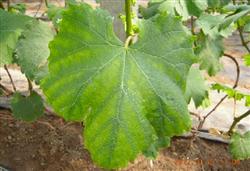
The common diseases of baby bok choy mainly include downy mildew, soft rot, viral disease and black rot. Downy mildew mostly occurs under conditions of low temperature and high humidity; chlorotic yellow spots appear on the upper surface of the leaves, and a white mold layer forms on the underside; soft rot often invades from wounds or the base of the leaf head, and the diseased part softens and rots with an off odor; viral disease is mostly spread by aphids, and affected plants show leaf wrinkling, mosaic patterns and stunted growth.
For control, the principle of giving priority to prevention and using integrated control should be maintained. Before planting, choose varieties with relatively good disease resistance, practice crop rotation, and avoid continuous cropping with vegetables of the same family such as Chinese cabbage and radish; disinfect seeds before sowing and combine deep plowing and sun-drying of the soil to reduce field sources of disease. In daily management, plant at a reasonable density, water scientifically, avoid flood irrigation and field waterlogging, drain promptly after rain to reduce humidity, and maintain ventilation and light penetration.
Diseased plants found in the field should be pulled out promptly, taken out of the field and properly handled to prevent the spread of pathogens. In the early stage of disease, low-toxicity and low-residue pesticides can be selected for targeted control of different diseases, and attention should be paid to rotating pesticides to delay the development of resistance. At the same time, controlling virus-transmitting pests such as aphids and reducing insect damage and mechanical wounds can significantly lower the probability of disease occurrence.
Related Reading