Yam Disease Control Methods and Key Points for Identifying Common Diseases
Yam disease control is an important part of yam cultivation management. Yam has a long growth period, and its underground tubers are buried deep in the soil. Once disease occurs, it often affects yield and market value, so growers need to achieve early prevention, timely detection, and targeted treatment.
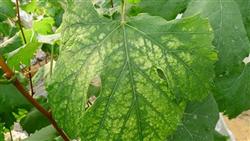
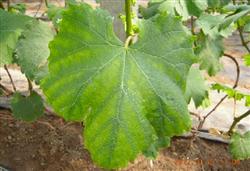
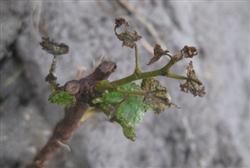
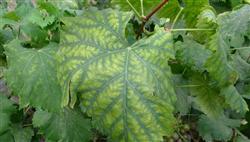
Common yam diseases mainly include anthracnose, brown spot, leaf spot, root rot, fusarium wilt, and nematode disease. Among them, leaf diseases mostly appear as brown or dark brown spots on leaves and stems, and under suitable conditions the lesions continuously expand and spread; root rot and fusarium wilt damage the root system and stem base, causing plants to wilt and die; nematode disease damages the underground tubers, causing tumor-like protrusions or brown patches on the tuber surface, and quality declines noticeably.
Agricultural measures are the foundation of control. Continuous cropping should be avoided during planting, and reasonable rotation with gramineous crops can be carried out; disease-free, vigorous seed tubers or yam setts should be selected, and seed tuber disinfection should be carried out when necessary; fully decomposed organic fertilizer should be applied in combination with land preparation to improve soil structure. In cultivation, high ridges or deep furrows should be adopted, and drainage should be carried out promptly after rain to reduce field humidity and create an environment unfavorable to pathogen reproduction.
In daily management, balanced fertilization should be achieved, and excessive application of nitrogen fertilizer should be avoided to enhance the plant's own disease resistance. During the growth period, timely intertillage and weeding should be carried out, diseased leaves should be pruned and taken out of the field for disposal, and after harvest the diseased residues in the field should be removed to reduce pathogen accumulation. In the early stage of disease onset, low-toxicity fungicides targeting the specific disease should be selected according to the type of disease. Leaf diseases are mainly controlled by spraying, while root diseases and nematode diseases are mainly controlled by soil treatment or root drenching. Continuous application according to the interval period gives more stable control effects.
Related Reading