Disease control in garlic scapes requires attention to both field management and storage
Garlic scapes are the flower stems produced by garlic, and their diseases fall broadly into two categories: diseases during the growing period and diseases during post-harvest storage. Diseases during the growing period are mostly caused by fungal infection and directly affect the yield and market quality of garlic scapes; storage-period diseases occur after the scapes are placed in storage and are the main cause of garlic scapes rotting and deteriorating.
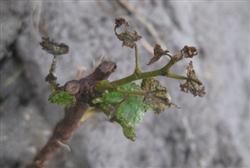
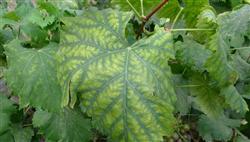
Among the common diseases, leaf blight usually starts at the leaf tip, producing withered yellow lesions that gradually spread toward the flower stem; purple blotch forms purple or brown sunken spots on the garlic scapes, and when humidity is high, mold can be seen on the diseased areas; rust appears as orange-yellow blister-like spots on the leaves and flower stems. During storage, if temperature and humidity are not properly controlled, gray mold and similar diseases readily develop from wounds, causing the garlic scapes to become moldy and soft-rotted.
Field control should focus on prevention. When planting, avoid continuous cropping with onion and garlic crops and arrange crop rotation reasonably; plant at an appropriate density to keep the field well ventilated and well lit; drain promptly after rain to reduce humidity, apply nitrogen, phosphorus and potassium fertilizers in a balanced way and increase organic fertilizer, and avoid over-applying nitrogen fertilizer, which makes plants grow excessively lush and susceptible to disease. Diseased leaves and plants should be removed promptly and taken out of the field for disposal, and in the early stage of disease, targeted fungicides can be sprayed for control.
The storage stage should not be neglected either. During harvest and transport, minimize mechanical damage and discard garlic scapes that are diseased or injured; fully pre-cool before storage to dissipate field heat; during storage, control temperature and humidity well, avoid excessive fluctuations, and check regularly, promptly removing moldy individuals to prevent the spread of disease.
Related Reading