Garlic sprout disease control must start with seed selection and field management
Garlic sprout disease control refers to the identification, prevention and treatment measures taken against common diseases during the growth period of garlic sprouts. Common diseases of garlic sprouts include leaf blight, purple blotch, rust, gray mold and bacterial soft rot, etc. They mostly occur in warm and rainy conditions, in fields with high humidity or under continuous cropping year after year, and once they spread they can significantly affect the yield and market quality of garlic sprouts.
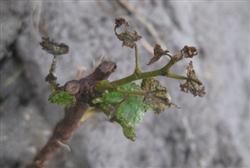
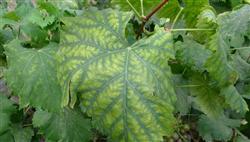
Identifying the symptoms is the first step in control. Leaf blight mostly starts with yellowing, withered lesions at the leaf tip or leaf margin, and small black dots can be seen on the diseased part when it is humid; purple blotch forms purplish-brown spots on the leaves; rust appears as orange-yellow blister-like spots scattered on the leaf surface, which later rupture and release rust-colored powder; soft rot softens and rots the base of the pseudostem and gives off a foul odor. Distinguishing the symptoms helps in choosing the right treatment.
Day-to-day control should rely mainly on agricultural measures. Before sowing, select plump, disease-free garlic cloves, and if necessary sun-dry the seed or treat it; as far as possible, do not grow garlic sprouts continuously with other onion and garlic vegetables, and where conditions allow, rotate with other crops; plant at a reasonable density and keep the rows well ventilated and exposed to light; after rain, clear the furrows and drain promptly to reduce field humidity; balance nitrogen, phosphorus and potassium in fertilization, apply more decomposed organic fertilizer, and avoid over-applying nitrogen fertilizer, which causes excessive vegetative growth.
In the early stage of the disease, promptly pull out the central diseased plants or remove the diseased leaves and carry them out of the field for centralized disposal to prevent the pathogens from spreading. Then, according to the type of disease, choose the corresponding fungicide for spray control, taking care to rotate the chemicals and avoid using the same type of agent alone for a long time. Stop applying chemicals as harvest approaches to ensure food safety. Only by patrolling frequently and detecting problems early can losses be kept to a relatively small range.
Related reading