Ginger disease control should focus on prevention and strengthened field management
During its growth, ginger is easily infected by a variety of pathogens, and common diseases include ginger blast, stem base rot, anthracnose and leaf spot diseases. Among them, ginger blast is a relatively serious bacterial disease that mostly occurs in hot and rainy seasons; once it becomes epidemic, it often brings considerable losses to ginger growers.
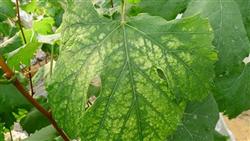
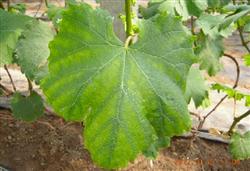
Plants infected with ginger blast initially show yellowing and curling leaves, followed by wilting of the whole plant. When pulled up, the interior of the rhizome is brown and soft-rotted, accompanied by an obvious foul odor. Anthracnose and leaf spot diseases mainly damage the leaves, with brown or grayish-white spots appearing on the leaf surface; in severe cases the leaves dry up, affecting photosynthesis and rhizome enlargement.
For control, the principle of giving priority to prevention and applying comprehensive measures should be adhered to. Seed ginger should be selected from disease-free, robust ginger pieces, and before sowing, seed sunning and chemical soaking can be combined as treatments; the planting plot should preferably be rotated with non-Zingiberaceae crops such as rice and corn to avoid the accumulation of pathogens from continuous cropping year after year. In the field, high-ridge cultivation should be adopted, drainage ditches should be kept clear, and water should be drained promptly after rain to prevent waterlogging from causing rotten ginger.
During the growing period, attention should also be paid to balanced fertilization, applying more decomposed organic fertilizer and avoiding excessive nitrogen fertilizer, so as to improve the plant's disease resistance. Once diseased plants are found, they should be pulled out immediately with the roots and taken out of the field for disposal, and the diseased holes should be disinfected with lime or chemicals to prevent the pathogens from spreading with rainwater and irrigation water. In the early stage of disease onset, targeted fungicides or copper-based formulations can be used for spraying or root drenching; for specific product types and dosages, it is recommended to consult the local agricultural technology department and use them in accordance with the instructions.
Related Reading