Prevention and control of loofah (sponge gourd) diseases require good field management and targeted medication
During its growth, loofah (sponge gourd) is susceptible to a variety of diseases, commonly including downy mildew, powdery mildew, anthracnose, gummy stem blight, fusarium wilt and viral diseases. These diseases mostly occur under conditions of high humidity and muggy heat, a dense and shaded field, or continuous cropping. Symptoms mostly appear first on the leaves, and in severe cases spread to the stems and vines and the fruit, directly affecting yield and quality.
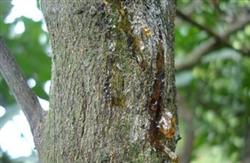
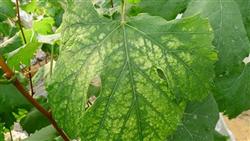
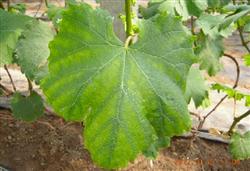
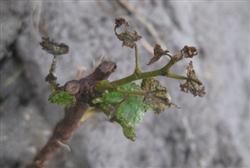
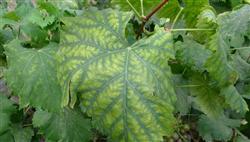
Identifying symptoms is the first step in prevention and control. Downy mildew usually forms angular yellow-brown lesions on the leaf surface that are limited by the leaf veins, and when humidity is high a gray-black mold layer appears on the underside of the leaf; powdery mildew covers the leaf surface with a white powdery substance; gummy stem blight mostly causes the stems and vines to crack and exude a gummy substance; and viral diseases manifest as mosaic, crinkling and stunted plants. When abnormalities are found, they must first be clearly diagnosed, to avoid mistaking physiological problems such as nutrient deficiency for infectious diseases and applying medication for them.
Routine prevention and control should be based on agricultural measures. Before planting, choose varieties with relatively good disease resistance, rotate with non-cucurbit crops to reduce the accumulation of pathogens in the soil; during the growing period, promptly prune branches and remove old and diseased leaves to maintain ventilation and light penetration; use high ridges or plastic film cultivation and pay attention to drainage after rain to reduce field humidity; in fertilization, combine nitrogen, phosphorus and potassium, and avoid over-applying nitrogen fertilizer, which causes excessive vegetative growth and reduced disease resistance.
In the early stage of disease, targeted pesticides should be selected according to the type of disease. When spraying, focus on the underside of the leaves and the base of the stems and vines, and pay attention to rotating pesticides to delay resistance, strictly observe the pre-harvest interval, and be especially cautious with medication close to harvest. Usually, patrolling the field more often, promptly removing scattered diseased leaves and diseased plants from the field for disposal, and, for greenhouse cultivation, strengthening ventilation and reducing humidity, can generally keep disease losses at a relatively low level.
Related reading