Lettuce Disease Control Methods and Key Points for Identifying Common Diseases
Lettuce is a common leafy lettuce with tender leaves and high water content, and during its growing period, especially in rainy and humid environments, it is easily infected by a variety of diseases. Common ones in production include downy mildew, soft rot, gray mold, sclerotinia rot and viral diseases. Once a disease becomes epidemic, it directly affects leaf quality and market value, so control work needs to be planned in advance and managed throughout the whole process.
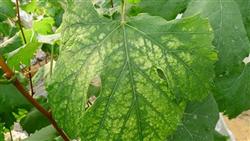
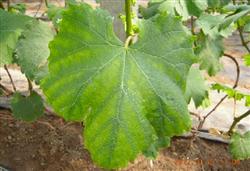
Identifying symptoms is the first step in control. Downy mildew mostly shows pale yellow irregular lesions on the upper surface of leaves, and when humidity is high, white mold grows on the underside of the leaves; soft rot often starts rotting from the base of the head or the leaves near the ground, with a distinct off-odor; gray mold is more damaging under low temperature and high humidity conditions, and gray mold can be seen on the diseased parts. Different diseases have different occurrence patterns and directions for pesticide use, so after abnormalities are found, the species should first be identified and then treated accordingly.
Agricultural control is the foundation for controlling diseases. When planting, varieties with better disease resistance can be selected, crop rotation should be practiced, and continuous cropping with vegetables of the same family should be avoided; reasonable close planting should be used to maintain ventilation and light penetration in the field; high beds or ridge planting should be adopted to control the amount of watering and avoid flood irrigation and waterlogging in the field; at the same time, diseased leaves should be removed promptly, and diseased residues should be cleared and taken out of the field for disposal to reduce sources of pathogen spread.
Chemical control should seize the early stage of disease onset, achieve targeted pesticide selection and timely application, and pay attention to rotating pesticides with different mechanisms of action to delay the development of resistance. When spraying, the underside of leaves and the base of the plant and other disease-prone parts should also be covered, and the pre-harvest interval must be strictly observed before harvest to ensure food safety. Overall, by adhering to the principle of prevention first and integrated control, lettuce can grow steadily and with good quality.
Related Reading