Eggplant Disease Control Methods and Key Points for Identifying Common Diseases
Eggplant disease control refers to the production techniques that use comprehensive measures to prevent and manage the various diseases that occur during the growth of eggplant. Eggplant is susceptible to infection by pathogens during both the seedling stage and the fruiting stage. Common diseases include Phytophthora fruit rot, brown spot disease, Verticillium wilt, bacterial wilt, and gray mold. Once these diseases spread, they can significantly affect yield and fruit quality.
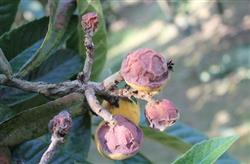
The symptoms of different diseases vary. Phytophthora fruit rot mostly occurs under conditions of high temperature and high humidity, with water-soaked lesions appearing on the fruit that rapidly become soft and rot, causing the fruit to drop off. Brown spot disease can affect stems, leaves, and fruits, and small black dots often appear on the lesions. Verticillium wilt and bacterial wilt are systemic diseases, with plants showing wilting and yellowing leaves, and in severe cases the entire plant dies. Accurately identifying the type of disease is the prerequisite for scientific application of pesticides.
For control, agricultural measures should serve as the foundation. In production, crop rotation with non-solanaceous crops is advocated, disease-resistant varieties should be selected, and seed disinfection and seedbed treatment should be done well before sowing. After transplanting, attention should be paid to reasonable close planting, timely pruning and removal of side shoots, maintaining ventilation and light penetration in the field, avoiding flood irrigation and excessive application of nitrogen fertilizer, and timely drainage after rain. For protected cultivation, ventilation should also be strengthened to reduce humidity inside the greenhouse.
After disease onset, diseased leaves and fruits should be promptly removed and taken out of the field for disposal, and then appropriate pesticides should be selected for spraying or root drenching according to the type of disease, with attention paid to rotating pesticides to delay the development of resistance. Overall, the principles of prevention first and comprehensive control should be adhered to, combining agricultural measures with pesticide control, in order to effectively control the occurrence and spread of eggplant diseases.
Related Reading