Pumpkin Disease Control Methods and Key Points for Identifying Common Diseases
Pumpkin disease control is an important part of ensuring yield and quality during pumpkin cultivation. The common diseases of pumpkin mainly include downy mildew, powdery mildew, Fusarium wilt, anthracnose and viral diseases, etc., which mostly occur under conditions of high humidity and heavy rain, continuous cropping or extensive management, so growers need to identify and deal with them early.
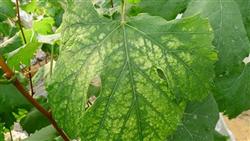
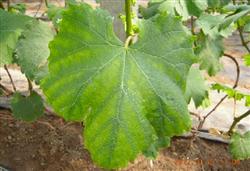
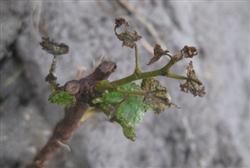
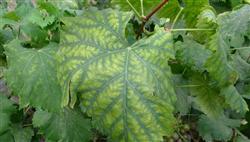
Downy mildew and powdery mildew mainly damage the leaves. When the disease occurs, yellow-brown lesions or white powdery mold layers appear on the leaf surface. In severe cases, the leaves wither, turn yellow and fall off, affecting fruit enlargement. Fusarium wilt is a soil-borne disease. Plants often wilt at noon and recover in the morning and evening, and after repeated occurrences the whole plant dies. Viral diseases are manifested as mosaic, crinkling and deformity of leaves, and are mostly spread by vectors such as aphids.
For control, agricultural measures should be combined with chemical prevention and control. Choose plots with higher terrain and good drainage, implement crop rotation, and avoid continuous cropping with cucurbit crops. Do a good job of seed disinfection before sowing, maintain reasonable close planting during the growing period, prune and remove side branches in time, and keep the field ventilated and exposed to light. After rain, pay attention to drainage and reducing humidity. If diseased leaves or plants are found, remove them in time and take them outside the field for disposal.
Chemical control should be carried out in the early stage of the disease, selecting corresponding fungicides for different diseases, and paying attention to rotating medications to prevent the development of resistance. At the same time, do a good job of controlling pests such as aphids and whiteflies to cut off the transmission routes of viruses, so as to effectively control the occurrence and spread of pumpkin diseases.
Related Reading