Edamame Disease Control: Focus on Seed Selection, Crop Rotation and Field Management
Edamame is the fresh young pod of the soybean harvested at the pod-filling stage. Its growing period mostly falls in the hot, rainy season, when field humidity is high and the plants are easily infected by various diseases. The common diseases mainly include root rot, downy mildew, rust, anthracnose, bacterial spot and viral diseases. Different diseases differ considerably in the parts they affect and in their symptoms, so only by identifying them clearly can you treat them correctly.
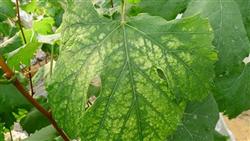
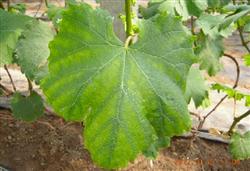
Root rot mostly occurs at the seedling stage, showing as browning and rotting of the roots, with stunted, yellowing seedlings that die off in patches in severe cases. Downy mildew and rust mainly damage the leaves, with yellow-brown spots appearing on the leaf surface, and when humidity is high, mold or rusty powdery material can be seen on the underside of the leaves. Viral diseases cause the leaves to crinkle and become mosaic-patterned and the plants to become stunted; they are mostly spread by aphids, and diseased plants should be pulled out promptly once found.
Edamame disease control should be based on agricultural measures. Before planting, it is best to choose varieties with good disease resistance and to disinfect the seeds. In the field, carry out crop rotation and change to a different crop, avoiding continuous cropping with leguminous crops; at the same time, plant at a reasonable density, keep ventilation and light penetration good, and drain promptly after rain to reduce humidity. In fertilizing, avoid over-applying nitrogen fertilizer and appropriately increase phosphorus and potassium fertilizer to improve the plants' disease resistance.
At the early stage of disease, promptly remove diseased leaves and plants and carry them out of the field for disposal, then choose the right pesticide for spraying according to the type of disease, taking care to rotate the chemicals to delay resistance. During the growing period, also do a good job of controlling aphids and other virus-transmitting pests to cut off the transmission route of viral diseases. After harvest, clean up the leftover plants and fallen leaves in the field, which can reduce the source of pathogens for the following year.
Related Reading