Lotus Root Disease Control Methods and Key Field Management Points
Lotus root disease control refers to the technical measures used to prevent and control various diseases during lotus root cultivation, and it directly affects the harvest and quality of the lotus field. Lotus root grows in water or moist soil for long periods, and once a disease occurs it often spreads quickly, so control should follow the approach of prevention first and integrated management.
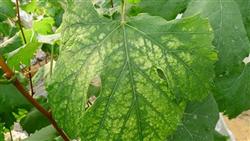
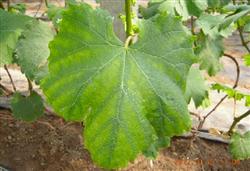
The common lotus root diseases in production mainly include rhizome rot, brown spot, black spot, and viral disease. Rhizome rot mostly damages the underground stem; after infection, the lotus root body turns brown and rots, while the aboveground parts show leaf withering. Brown spot and black spot mainly damage the leaves, first appearing as spots that gradually expand and affect photosynthesis. Viral disease often causes stunted plants and wrinkled, deformed leaves, with noticeably weakened growth.
Selecting healthy, disease-free seed lotus roots is the first step in control; it is best to save seed roots from disease-free fields, and disinfect the seed roots before planting. Lotus fields should be rotated to different crops to avoid the continuous accumulation of pathogens in the soil caused by planting year after year. In daily management, the water level should be regulated reasonably, water quality should be kept clean, and diseased leaves and plants should be removed promptly and taken out of the field for disposal to prevent pathogens from spreading with the water.
For fertilization, nitrogen, phosphorus, and potassium should be used in combination, with increased application of fully decomposed organic fertilizer, avoiding excessive nitrogen fertilizer that leads to excessive vegetative growth and reduced disease resistance. At the early stage of disease onset, timely diagnosis and targeted medication should be carried out, while field inspection should be strengthened to keep diseases under control at an early stage, so as to effectively reduce losses and ensure the yield and quality of lotus root.
Related Reading