Radish Disease Control: Good Disease Identification and Field Management Are Essential
Radish disease control is a management step that cannot be overlooked in the radish growing process. Common diseases during the radish growing period include downy mildew, black rot, soft rot, viral disease, and black spot, most of which are caused by fungi, bacteria, or viruses, and are more likely to occur under conditions of high temperature and high humidity and continuous cropping on the same land. Once a disease becomes epidemic, the leaves are damaged and the fleshy roots rot, which will noticeably affect yield and quality.
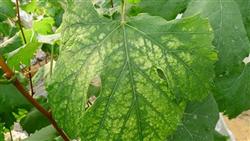
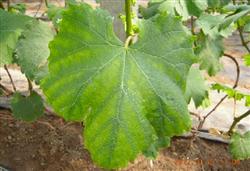
Identifying the symptoms is the first step in control. Downy mildew usually appears as pale yellow patches on the leaf surface, with a white mold layer growing on the underside of the leaf; black rot mostly starts from the leaf margins, which turn yellow and dry up, with the vascular bundles turning brown and black; soft rot often invades from wounds or the base of the leaf stalk, causing the fleshy root to soften, exude water, and give off a foul odor; viral disease shows up as leaf crinkling, mosaic patterns, and stunted plants. Only by clearly seeing the affected parts and their characteristics can pesticide use be targeted.
Agricultural control is the foundation for reducing disease. When planting, choose varieties with relatively good disease resistance, avoid continuous cropping with cruciferous vegetables such as Chinese cabbage and cabbage, and implement reasonable crop rotation; treat seeds before sowing, and in the field pay attention to reasonable close planting and timely drainage to reduce humidity. During the growing period, diseased plants found should be pulled up early and taken out of the field for disposal, and after harvest, clean up the remaining plants and fallen leaves, which can effectively reduce the sources of disease for the next season.
Chemical control should be done early and accurately. In the early stage of disease onset, according to the type of disease, choose targeted low-toxicity, low-residue pesticides for spraying or root drenching, and be careful to rotate pesticides, avoiding the long-term single use of the same pesticide, while also observing the safe interval period. In daily management, fertilize in a balanced way, avoid over-applying nitrogen fertilizer, appropriately increase phosphorus and potassium fertilizer, maintain ventilation and light penetration in the field, and as the plants grow robustly, their disease resistance will also increase accordingly.
Related Reading