Disease control in water spinach (Ipomoea aquatica) starts with cultivation management and pesticide use
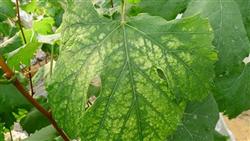
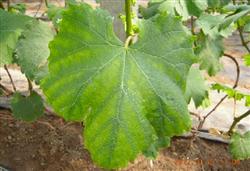
Water spinach grows quickly and is harvested many times, and during its growing period it is easily infected by a variety of diseases, among which white rust is the most common, along with anthracnose, brown spot, ring spot and viral diseases. These diseases mostly occur in environments with high temperature and high humidity and poor ventilation, and once they spread they clearly affect the quality and marketability of the tender stems and leaves.
Water spinach is harvested for its tender stems and leaves, and once the leaves or stems are damaged they are difficult to restore through pruning, so control places greater emphasis on prevention in advance. Fields that are continuously cropped, poorly drained, or heavily fertilized with nitrogen tend to suffer more severe disease, and in seasons with frequent rain and high field humidity, special attention should be paid to early changes in lesions.
Agricultural measures are the foundation of control. Before planting, deep plow and sun the soil and practice crop rotation, avoiding continuous cropping with vegetables of the same family; use disease-free seeds and disinfect the seeds before sowing; plant at a reasonable density to maintain ventilation and light penetration in the field; water in small amounts and several times, avoiding prolonged waterlogging; when diseased plants are found, pull them out promptly and carry them out of the field, and at the same time clean up fallen diseased residues.
In the early stage of the disease, targeted fungicides can be sprayed for control; be careful to rotate the pesticides to delay the development of resistance, and strictly observe the safety interval, stopping pesticide use before harvest. With frequent daily inspection, early detection and early handling, and by keeping the disease at the stage of scattered spots, the yield and quality of water spinach can be guaranteed.
Related Reading