Bitter melon disease control should focus on prevention, with timely application of medication to control the disease after it occurs
Bitter melon disease control refers to the comprehensive prevention and control measures taken against various infectious diseases and physiological abnormalities that occur during the growing period of bitter melon. The common diseases of bitter melon mainly include powdery mildew, downy mildew, anthracnose, fusarium wilt, phytophthora blight and viral diseases, etc., which mostly occur more severely in plots with high temperature and high humidity, poor ventilation or long-term continuous cropping.
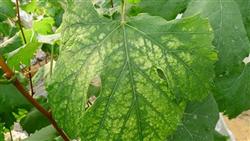
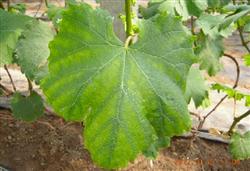
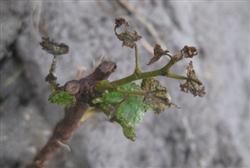
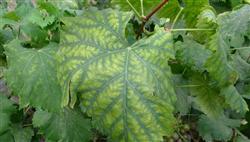
The symptoms of each type of disease have their own characteristics. Powdery mildew mostly shows a white powdery mold layer on the leaf surface; downy mildew shows yellow lesions on the upper side of the leaf, with a gray mold layer on the underside; anthracnose often forms sunken brown lesions on the fruit and stems and leaves; fusarium wilt is manifested as wilting at noon and recovery in the morning and evening, and the whole plant dies after the disease worsens.
Control should be based on agricultural measures. Before planting, select varieties with better disease resistance, and disinfect the seeds before sowing; rotate with non-cucurbit crops as much as possible to reduce the accumulation of pathogens in the soil; plant at a reasonable density, prune and remove branches in time, and maintain ventilation and light transmission between plants; after rain, pay attention to clearing ditches and draining water to reduce field humidity; when diseased leaves and diseased plants are found, remove them in time and take them out of the field for disposal.
Chemical control should be carried out in the early stage of the disease. For fungal diseases, targeted fungicides can be selected for spray control, while for viral diseases, the main focus is on controlling aphids and other virus-transmitting vectors, while foliar topdressing can be used to alleviate symptoms. When using medication, follow the instructions to control the concentration and the safe interval period, pay attention to rotating medications to avoid the development of drug resistance in pathogens, and stop spraying before harvest to ensure food safety.
Related Reading