Cabbage Disease Control Methods and Key Points for Identifying Common Diseases
Cabbage, also known as head cabbage, is susceptible to attack by a variety of diseases during its growing period. The most common ones include downy mildew, soft rot, black rot, viral disease and sclerotinia rot. Once a disease becomes widespread, it directly affects how tightly the head is packed and the market quality, so doing a good job of disease control is a key step in achieving a stable yield.
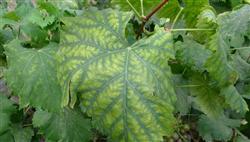
Identifying the symptoms is the first step in control. Downy mildew mainly damages the leaves, with pale yellow irregular patches appearing on the leaf surface and a white mold layer growing on the underside of the leaf when humidity is high; soft rot usually starts rotting from the base of the head or from wounds on the outer leaves and gives off a foul odor; black rot often causes V-shaped yellowish-brown lesions along the leaf margins, with the veins in the affected area turning black. Only by distinguishing the type of disease can targeted measures be taken.
Agricultural control is the foundation for reducing disease incidence. When planting, rotate with non-cruciferous crops, choose varieties with better disease resistance, and disinfect the seeds before sowing; in the field, plant at a reasonable density, maintain ventilation and light penetration, drain and reduce humidity promptly after rain, and remove diseased plant residues at any time to reduce sources of pathogen spread. Viral disease is mostly transmitted by aphids, so timely control of aphids can also lower the incidence rate.
Chemical control should seize the early stage of disease onset: first pull out the central diseased plants and carry them out of the field for disposal, then select targeted chemicals for spraying according to the type of disease, taking care to alternate pesticides to delay the development of resistance and strictly observe the pre-harvest interval. After continuous rain or watering, inspection should be strengthened, and if disease is found, supplementary control should be applied in time to prevent the disease from spreading and expanding.
Related Reading