Cauliflower Disease Control: Focus on Symptom Identification and Integrated Management
Cauliflower disease control refers to the cultivation management step of preventing and controlling the various diseases that cauliflower is prone to during its growing period, through integrated agricultural, physical and chemical means. Common cauliflower diseases include downy mildew, black rot, soft rot, sclerotinia rot (stem rot) and black spot, and they mostly occur under conditions of high temperature and high humidity, poor drainage or long-term continuous cropping. Whether control is carried out properly directly affects the quality and harvest of the curds.
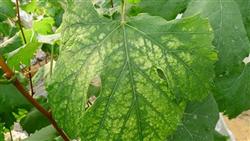
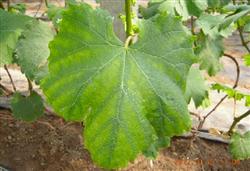
Identifying symptoms is the first step in control. Downy mildew mainly damages the leaves, with yellow-brown patches appearing on the upper surface and a white mold layer visible on the underside; black rot and soft rot are bacterial diseases that often cause the leaf margins to turn yellow and the vascular bundles to turn black, and in severe cases the curd becomes soft, rotted and foul-smelling; sclerotinia rot usually starts rotting from the stem base or the curd close to the ground, with white mycelial fluff and black sclerotia forming on the surface. Only by seeing the symptoms clearly and treating them accordingly can blind use of pesticides be avoided.
Agricultural control is the foundation of the whole control system. When planting, rotate with non-cruciferous crops, choose varieties with relatively good disease resistance, and disinfect the seeds before sowing. During the growing period, plant at a reasonable density, drain field water promptly, avoid over-applying nitrogen fertilizer and appropriately supplement phosphorus and potassium fertilizer to improve the plants' disease resistance. Diseased plants should be pulled out as early as possible and carried out of the field, and after harvest the diseased residues should be cleared away to reduce the source of pathogens for the next crop.
Chemical control should seize the early stage of disease onset. For fungal diseases, targeted fungicides can be used, while for bacterial diseases, copper-based preparations and similar agents are mainly used; note to alternate different active ingredients to delay the development of resistance. At the same time, control insect pests such as cabbage caterpillars and diamondback moths well to reduce opportunities for infection through wounds. By adhering to prevention first and integrated control, cauliflower can grow robustly and produce white, firm curds.
Related Reading