Okra Disease Control Methods and Key Points for Identifying Common Diseases
Okra disease control refers to the identification, prevention and treatment measures taken against common okra diseases during the production process. The growing season for okra is mostly a period of high temperature and heavy rain, and the hot, humid field environment easily induces diseases, so doing a good job of control is very important for protecting seedlings, protecting fruit and stabilizing yield.
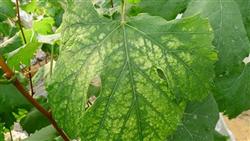
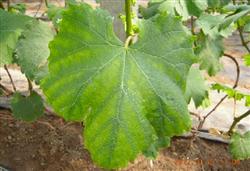
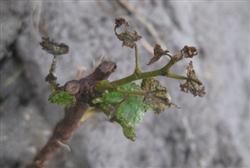
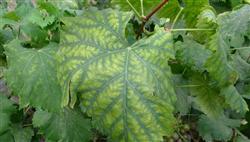
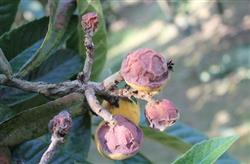
Common okra diseases include viral disease, phytophthora blight, anthracnose, fusarium wilt and powdery mildew, among others. Viral disease is mostly caused by virus-transmitting vectors such as aphids, and shows as shrunken, chlorotic leaves and stunted plants; phytophthora blight and anthracnose easily occur under conditions of high temperature and high humidity, often forming lesions on stems, leaves and fruit; fusarium wilt is a soil-borne disease that causes plants to wilt and die.
For control, the principle of prevention first and integrated management should be adhered to. Before planting, choose varieties with relatively good disease resistance, practice crop rotation, and avoid continuous cropping with crops of the same family; disinfecting seeds before sowing can reduce the occurrence of seed-borne and soil-borne diseases. In terms of field management, pay attention to reasonable close planting, timely drainage to reduce humidity, and removal of diseased plant residues, while also carrying out good control of virus-transmitting pests such as aphids.
Once diseased plants are found in the field, they should be pulled out promptly and taken out of the field for disposal to prevent the disease from spreading; for fungal diseases, appropriate pesticides can be selected according to the type, with attention to rotating medications, using them according to the instructions, and observing the pre-harvest interval. Overall, as long as basic tasks such as clearing the garden, controlling humidity and preventing insects are done solidly, most okra diseases can be effectively controlled.
Related Reading