Cucumber Disease Control Methods and Key Field Management Points
Cucumber disease control refers to the integrated management measures that combine prevention and treatment against common diseases occurring during the cucumber growing period, such as downy mildew, powdery mildew, Fusarium wilt, bacterial angular leaf spot and gray mold. Cucumbers are affected by many kinds of diseases that spread quickly, and they are more likely to become epidemic in greenhouse cultivation when humidity is high and ventilation is poor, so control work needs to run through the entire growing period.
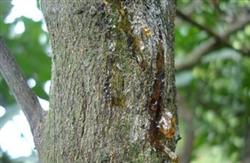
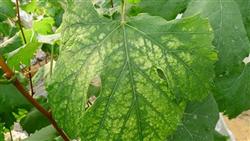
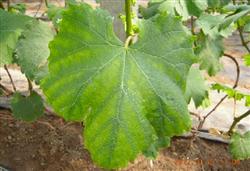
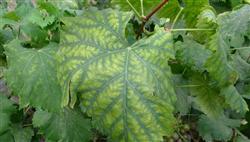
The most common in production are downy mildew and powdery mildew. Downy mildew mostly starts on the middle and lower leaves, with yellow-brown angular lesions on the leaf surface bounded by the veins, and a gray-black mold layer visible on the underside of the leaves when it is humid; powdery mildew forms white powdery mold spots on the leaf surface, and in the later stage the lesions merge into patches that make the leaves dry and yellow. Fusarium wilt often shows as wilting at noon and recovery in the morning and evening, and after several repetitions the whole plant dies; bacterial angular leaf spot produces bacterial ooze on the underside of the leaves, and the lesions tend to perforate in the later stage. These diseases need to be correctly identified first, and then treated with different pesticides.
Agricultural control is the foundation of disease prevention and control. Before planting, disease-resistant varieties should be selected, rotation with non-cucurbit crops should be carried out for more than two or three years, and seeds and seedling substrate should be properly disinfected; grafting onto pumpkin rootstock for seedling raising can significantly reduce the harm of Fusarium wilt. After transplanting, plant at a reasonable density, prune and remove side shoots in time, remove old and diseased leaves, and keep the field ventilated and well lit. Watering should preferably be done on sunny mornings, and flood irrigation should be avoided.
Greenhouse cultivation should also strengthen ventilation and dehumidification to reduce dew on leaf surfaces at night, and during crop rotation the soil can be disinfected by combining high-temperature greenhouse sealing. Chemical control should be targeted to the right disease, sprayed in time at the early stage of onset, and the same pesticide should not be used continuously; it is best to rotate pesticides to delay the development of resistance, while strictly observing the pre-harvest interval to ensure the safety of harvested cucumbers for consumption.
Related Reading