Winter Low-Temperature Greenhouse Vegetable Management Methods and Key Technical Points
Winter low-temperature greenhouse vegetable management refers to a series of measures such as heat preservation, supplemental lighting, humidity control and water-fertilizer regulation taken for the various vegetables grown in greenhouses during periods when winter temperatures are relatively low. In winter, the light period is short and the temperature difference between day and night is large, so the microclimate inside the greenhouse is prone to imbalance. Whether management is carried out properly directly affects the growth, yield and quality of the vegetables.
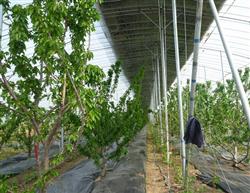
Preserving and increasing heat is a key part of management during this period. Common practices include adding insulation quilts or straw curtains, installing a second inner curtain, and taking wind-blocking and cold-proof measures around the outside of the greenhouse. When a cold wave hits, the temperature inside the greenhouse can be raised temporarily, but attention must be paid to ventilation and air exchange to prevent smoke damage to the seedlings. During the day, the covers should be removed and put back at the proper times so that the greenhouse can fully receive light and store heat, avoiding insufficient light caused by focusing only on keeping warm.
Water and fertilizer management should follow the principle of small amounts applied frequently. Under low-temperature conditions, the root absorption capacity of vegetables weakens, so watering should be done on sunny mornings, avoiding flood irrigation that causes a sudden drop in soil temperature and excessively high humidity inside the greenhouse. Topdressing can be carried out together with watering, and appropriately increasing phosphorus and potassium fertilizers helps enhance the cold resistance of the plants and their subsequent fruiting performance.
Ventilation and disease prevention and control should likewise not be neglected. In winter, humidity inside the greenhouse is relatively high, which easily induces low-temperature, high-humidity diseases such as gray mold and downy mildew. On the premise of ensuring temperature, short periods of ventilation should be used around midday when temperatures are higher to remove moisture. At the same time, diseased leaves and remaining plants should be removed promptly, and rational close planting should be adopted to improve ventilation and light conditions between plants. Overall, winter greenhouse management focuses on being meticulous and timely; only when all measures work together can vegetables be guaranteed to overwinter safely and grow normally.
Related Reading