Disease and pest control in flowering Chinese cabbage can start from two aspects: agricultural measures and chemical control
Flowering Chinese cabbage (choy sum) is a common leafy vegetable of the Brassicaceae family. It has a short growth cycle and is harvested frequently, and diseases easily occur in field environments with high temperature and high humidity. The main diseases commonly seen in production include downy mildew, soft rot, viral disease and anthracnose. Once an epidemic breaks out, it will noticeably affect the quality and marketability of flowering Chinese cabbage, so control work must run through the entire planting process.
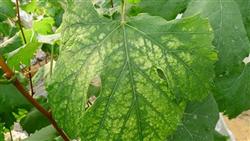
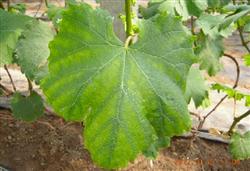
Identifying diseases is the prerequisite for control. Downy mildew mostly shows pale yellow patches on the leaves, with a white mold layer produced on the underside of the leaves; soft rot often starts rotting from the base of the leaf stalk and is accompanied by a foul odor; viral disease appears as leaf wrinkling and mosaic deformity, and is mostly spread by aphids and other vectors; anthracnose forms small round sunken spots on the leaves and leaf stalks.
Agricultural measures are the foundation of control. Before planting, it is advisable to rotate with non-Brassicaceae crops, choose varieties with relatively good disease resistance, and carry out seed disinfection properly. During the growing period, plant at a reasonable density, maintain ventilation and light penetration, and clear ditches and drain promptly after rain to avoid water accumulation in the field. In fertilization, pay attention to the combination of nitrogen, phosphorus and potassium, and avoid applying too much nitrogen fertilizer, which causes excessive vegetative growth and lowers disease resistance.
Chemical control should achieve early detection and early treatment. Diseased plants should be pulled out promptly and taken out of the field for disposal. In the early stage of the disease, choose targeted pesticides for spraying according to the different diseases, pay attention to rotating pesticides to delay the development of resistance, and follow the required pre-harvest interval before harvest to ensure the food safety of flowering Chinese cabbage.
Related Reading