Disease Control Methods and Field Management Key Points for Crown Daisy
Crown daisy, also known as penglian or chrysanthemum greens, is an Asteraceae vegetable grown for its tender stems and leaves, with a short growing period and frequent harvests. Precisely because it is grown for its tender leaves and grows quickly, once it becomes diseased there is often no time for it to recover before the harvest period arrives, so disease control in crown daisy should focus on prevention, combined with control measures.
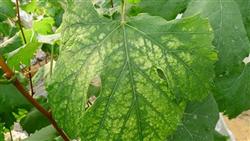
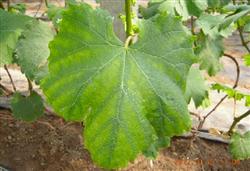
Common diseases of crown daisy include downy mildew, leaf blight, anthracnose and viral diseases. Downy mildew usually starts on the lower leaves, with pale yellow irregular lesions appearing on the leaf surface, and a grayish-white mold layer growing on the underside of the leaves when humidity is high; leaf blight and brown spot mainly form brown spots on the leaves, and in severe cases the leaves wither and turn yellow; viral diseases manifest as mosaic patterns, crinkling and plant stunting, and are mostly spread by vectors such as aphids.
Agricultural control is the foundation. In cultivation, crop rotation should be practiced, avoiding continuous cropping with Asteraceae vegetables; seeds should be disinfected before sowing, and disease-free plots should be selected for raising seedlings; rational close planting should be used to maintain ventilation and light penetration in the field; watering should preferably be done on sunny mornings, avoiding flood irrigation and waterlogging in the field; when fertilizing, nitrogen application should be controlled and phosphorus and potassium fertilizers appropriately increased to enhance the plants' disease resistance. Diseased plants found should be promptly pulled out, and diseased and dead leaves should be carried out of the field for centralized disposal to reduce sources of infection.
Pesticides should be applied promptly at the early stage of disease onset. For downy mildew, fungicides targeting oomycetes can be selected; for leaf spot diseases, broad-spectrum protective fungicides can be used, and attention should be paid to rotating several agents to delay the development of resistance. Because crown daisy is grown for its tender leaves as the edible part and is harvested frequently, the pre-harvest interval must be strictly observed when applying pesticides, and low-toxicity, low-residue agents should be given priority.
When cultivating in greenhouses in winter and spring, high humidity inside the greenhouse is an important trigger for disease, so attention should be paid to ventilation and dehumidification, controlling the amount of watering, and when necessary, smoke agents can be used to fumigate the greenhouse to reduce humidity. As long as the key steps of crop rotation, humidity control and health-promoting cultivation are handled well, most crown daisy diseases can be effectively controlled.
Related Reading