Hyacinth Bean Disease Control Methods and Key Points for Identifying Common Diseases
During their growth, hyacinth beans are easily infected by a variety of diseases, the common ones being rust, anthracnose, leaf spot, root rot, and mosaic virus disease. These diseases mostly occur under conditions of high humidity and frequent rain with poor field ventilation, and if not dealt with in time, they will affect leaf photosynthesis and the normal growth of the pods. Doing a good job of disease control is a key part of achieving stable yields and good quality in hyacinth beans.
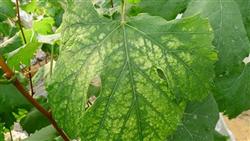
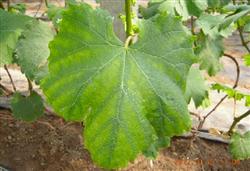
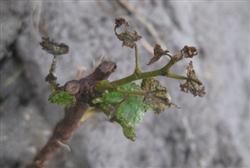
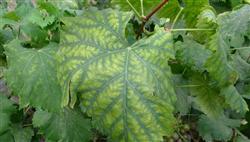
The symptoms of different diseases each have their own characteristics. Rust mostly appears on the underside of leaves as yellow-brown rusty powder, and in severe cases the leaves wither, turn yellow, and drop off; anthracnose often forms sunken dark lesions on stems, leaves, and pods; root rot shows up as stunted plants with yellowing, wilting leaves, and when pulled up, the roots are seen to be brown and rotted. When similar symptoms are found, they should be identified early and treated according to the specific problem.
Agricultural control is the foundation of disease management. When planting, choose varieties with relatively good disease resistance and rotate with non-legume crops to avoid continuous cropping that worsens soil-borne diseases. Before sowing, seeds can be disinfected, and during the growing period, reasonable close planting, timely pruning, and removal of side branches should be carried out to keep the field ventilated and well lit. During the rainy season, pay attention to clearing ditches and draining water to reduce field humidity, and promptly remove diseased leaves and plants and carry them out of the field for proper disposal.
Chemical control should be carried out in the early stages of disease onset. For fungal diseases such as rust and leaf spot, appropriate fungicides can be selected for spraying, with continuous control several times at intervals of a few days; for viral diseases, the main approach is to control aphids and other virus-transmitting vectors, and severely diseased plants should be pulled out promptly. When using pesticides, pay attention to rotating chemicals, control the concentration and pre-harvest interval according to the instructions, and stop applying pesticides before harvest.
Related Reading