Key Points for Raising Crayfish: Variety Selection and Water Quality Management
Raising crayfish is a common aquaculture project. What is usually called crayfish farming mostly refers to farming freshwater crayfish, though in some areas marine lobster farming is also carried out. Crayfish have strong adaptability and grow relatively quickly, and market demand is stable, making them a choice for many farmers.
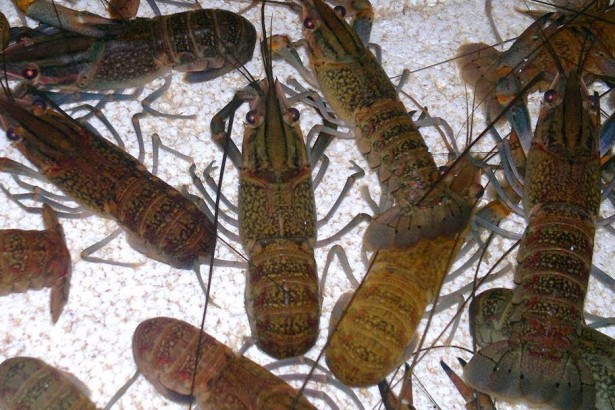
In terms of varieties, the most commonly farmed species at present is the red swamp crayfish (Procambarus clarkii), which is what people usually mean by crayfish; there are also varieties such as the Australian freshwater crayfish (Cherax). Different varieties have somewhat different requirements for water temperature, water quality and feed, so before introducing stock you need to choose a suitable variety based on local climate and water source conditions.
During farming, pond conditions are the foundation. Generally a sufficient water source and convenient drainage and irrigation are required, and an appropriate amount of aquatic plants can be planted in the pond to provide habitat and hiding places for the crayfish. Daily management should include good water quality regulation, regular water changes, and maintaining sufficient dissolved oxygen in the water. Feeding should combine compound feed with animal and plant-based bait, at fixed times and in fixed amounts, to avoid leftover bait spoiling the water quality. Because crayfish are good at climbing and burrowing, pond banks need to be reinforced and anti-escape facilities installed.
Disease prevention and control and harvesting for market are also important parts of crayfish farming. Normally you should pay attention to the crayfish's activity and feeding status, and deal with any abnormalities promptly. Overall, the technical threshold for raising crayfish is not very high, but to raise them well you still need to put more effort into water quality, feeding and daily management.
Related Reading