What are the key points of crayfish feeding techniques?
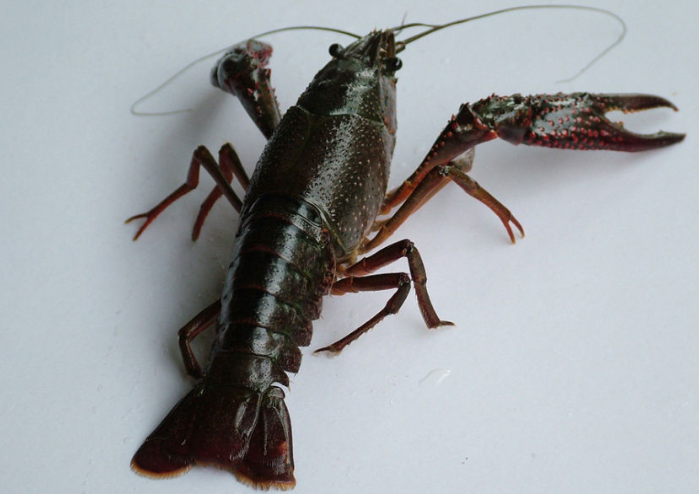
In natural water bodies, crayfish are stocked at low density, and aquatic animals and plants can basically meet their needs, so they grow well. However, in artificial rearing environments, because the breeding density is very high and natural food is lacking, artificial feeding of bait becomes necessary.
Selection of bait
Crayfish are omnivorous. Except for post-larvae and small juvenile crayfish, which only feed on zooplankton, other individuals also feed on plant-based and animal-based baits, such as aquatic plants, terrestrial green grass, fruits, artificial compound feed, snails, mussels, small miscellaneous fish, small shrimp, earthworms, fly maggots, as well as the carcasses of various animals and scraps from meat processing plants.
In crayfish farming, animal-based and plant-based baits should be reasonably matched when feeding so as to meet the growth needs of crayfish. At the same time, this can also save feed and reduce costs.
Selection of location
The habit of feeding at fixed points should be developed to make it convenient for crayfish to feed. When feeding bait to crayfish, feeding platforms can be set up along the pond bank. Generally, reed mats or plastic woven bags can be fixed under the water surface, and the bait is put into them for the shrimp to feed on. Alternatively, no feeding platform may be set up, and the bait can be placed at the aquatic plants along the bank or at the water surface, letting the shrimp climb onto the bank to feed.
Selection of method
The number and amount of artificial bait feedings depend on the actual situation. Generally, for stocked crayfish of 1-3 cm in size, because they are small and do not choose a time to feed, they can be fed 2-3 times a day, and the bait is broadcast along the edge when feeding. When feeding, the focus of plant-based bait can also be determined according to the growth of grasses and grains. For example, in summer, when grasses grow vigorously and yields are high, more can be fed appropriately; in spring and autumn, when grasses decrease, more fruit-based bait can be fed.