Crayfish are native to North America and became widely popular in China after being introduced via Japan
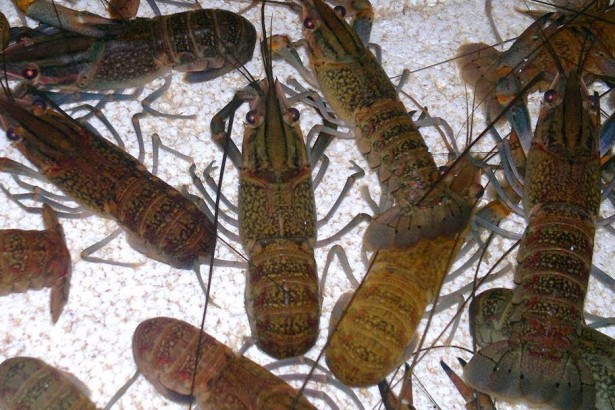
Crayfish is the common name for the red swamp crayfish (Procambarus clarkii), a freshwater crustacean. Adults are mostly dark red and have a pair of well-developed claws; it gets its name because its appearance resembles that of marine lobsters but it is smaller in size. Its place of origin is North America, where it is naturally distributed in freshwater waters from the southern United States to northeastern Mexico, and it is not a native species of China.
As for the origin of crayfish, it is generally believed that it was introduced into China via Japan in the early twentieth century, first appearing in the Nanjing area of Jiangsu. Thanks to its strong adaptability, omnivorous feeding habits, and rapid reproduction, it quickly settled in the lakes, rice paddies, and ditches of the middle and lower reaches of the Yangtze River, and gradually spread to most provinces across the country.
Crayfish are notably tolerant of low oxygen and polluted conditions. This is both the reason for its rapid spread and what makes it an invasive species that warrants attention. Releasing it at will or improper farming management may encroach on the living space of native aquatic animals, so farming, sales, and release should all comply with local relevant regulations to avoid impacts on the ecological environment.
In the early days after its introduction, crayfish did not receive much attention in China. Later, people discovered that its meat is firm and its flavor unique, and its edible value was gradually developed. Today it is a common delicacy on summer-night dinner tables, and Hubei, Jiangsu, Anhui, and other places all have relatively large-scale farming. It is worth noting that although it resembles the crayfish of the northeastern region (the Chinese mitten crab's relative, the mudbug) in appearance, they are different species, and they can be distinguished when purchasing and eating.
Related Reading