Why Eat Dumplings on the Winter Solstice? The Origin of the Custom of Eating Dumplings
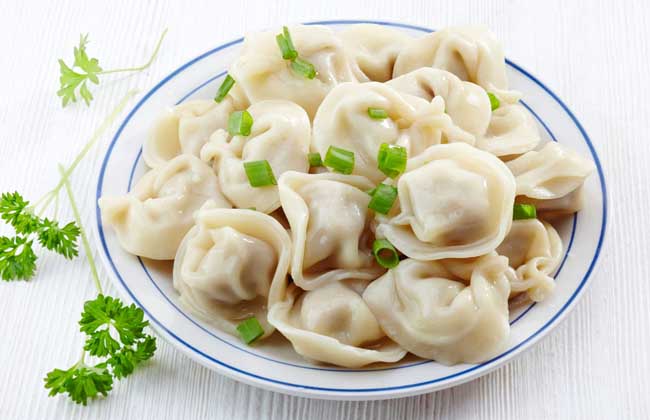
The Winter Solstice is the earliest established of the 24 solar terms, falling between December 21 and 22 on the Gregorian calendar each year. It is said that on the day of the Winter Solstice in the lunar calendar each year, regardless of wealth or poverty, dumplings are an indispensable holiday meal. As the proverb goes, "On the first day of the tenth month, the Winter Solstice arrives, and every household eats boiled dumplings." According to textual research, this custom was left behind in commemoration of the "Medical Sage" Zhang Zhongjing, who gave away medicine on the Winter Solstice.
In the late years of the Eastern Han Dynasty, disasters were severe in many places, and many people fell ill. In Nanyang there was a famous doctor named Zhang Ji, courtesy name Zhongjing, who studied medical texts diligently from a young age and absorbed the strengths of many schools, becoming the founder of traditional Chinese medicine. Zhang Zhongjing was not only highly skilled in medicine, able to cure any difficult and complicated disease with ease, but also of noble medical ethics; whether treating the poor or the rich, he treated them all seriously and saved countless lives.
When Zhang Zhongjing served as an official in Changsha, he often cured the common people of their illnesses. One year, when a plague was raging in the area, he set up a large cauldron at the gate of his office and gave away medicine to save people, earning deep affection from the people of Changsha. After Zhang Zhongjing retired from office in Changsha and returned to his hometown, he walked to the bank of the Baihe River in his home region and saw many poor people suffering from hunger and cold, with their ears frozen and festering. He felt great distress and resolved to save them. When Zhang Zhongjing returned home, there were especially many people seeking medical help, and he was extremely busy, yet he always kept thinking of those poor people with festering ears. Following the method he had used in Changsha, he told his disciples to set up a medical shelter on an empty plot of land at the East Gate of Nanyang and set up a large cauldron, opening on the day of the Winter Solstice to give away medicine to treat the injuries of the poor.
Zhang Zhongjing's medicine was called "Cold-Dispelling Tender Ear Soup." Its method of preparation was to boil mutton, chili peppers and some cold-dispelling medicinal herbs in a pot; after cooking, these ingredients were scooped out and chopped up, then wrapped in dough into ear-shaped "tender ears," which were cooked in the pot and then distributed to the patients who came begging for medicine. Each person received two tender ears and a bowl of soup. After eating the cold-dispelling soup, people felt warm all over, their blood circulated smoothly, and their ears became warm. After eating it for some time, the patients' festering ears healed.
Zhang Zhongjing continued giving away medicine until the thirtieth day of the twelfth lunar month, New Year's Eve. On the first day of the new year, people celebrated the New Year and also celebrated the recovery of their festering ears, so they made food in the shape of tender ears for the New Year and ate it on the morning of the first day. People called this food "jiao'er," "jiaozi," or "pianshi," eating it on the Winter Solstice and the first day of the new year to commemorate the days when Zhang Zhongjing set up his shelter, gave away medicine, and cured patients. Zhang Zhongjing lived nearly 1800 years ago, but the story of his "Cold-Dispelling Tender Ear Soup" has always circulated widely among the people. Every Winter Solstice and first day of the new year, as people eat dumplings, they still keep Zhang Zhongjing's kindness in their hearts. Today, we no longer need tender ears to cure frostbitten ears, but dumplings have already become the most common and most beloved food of the people.
Zhang Zhongjing was a native of Langdong in Nanyang. He wrote "Treatise on Cold Pathogenic and Miscellaneous Diseases," which gathered the great achievements of physicians and was revered by doctors through the ages as a classic. Zhang Zhongjing had a famous saying: "In advancement, save the world; in retreat, save the people. If one cannot be a good prime minister, one should still be a good physician." During the Eastern Han Dynasty he once served as the governor of Changsha, visiting the sick and dispensing medicine, practicing medicine in the main hall. Later he resolutely resigned from office and returned to his hometown to treat his fellow villagers. When he returned home, it was precisely winter. He saw that the villagers on both banks of the Baihe River were sallow and thin, suffering from hunger and cold, and many people's ears were frozen and festering. So he had his disciples set up a medical shelter at the East Gate of Nanyang and set up a large cauldron, and on the day of the Winter Solstice he gave away "Cold-Dispelling Tender Ear Soup" to treat frostbite. He put mutton, chili peppers and some cold-dispelling medicinal herbs in a pot to boil, then scooped out the mutton and medicine and chopped them up, wrapped them in dough into ear-shaped "tender ears," and after cooking them, distributed two "tender ears" and a large bowl of meat soup to each person who came seeking medicine. After people ate the "tender ears" and drank the "cold-dispelling soup," their whole bodies were warm and their ears felt hot, and their frostbitten ears were all cured. Later generations learned from the appearance of the "tender ears" and made them into food, also called "jiaozi" or "bianshi."
Eating dumplings on the Winter Solstice is a way of not forgetting the kindness of the "Medical Sage" Zhang Zhongjing and his "Cold-Dispelling Tender Ear Soup." To this day, in Nanyang there is still a folk rhyme: "If you don't hold a bowl of dumplings on the Winter Solstice, no one will care if your ears freeze off." In modern times, eating dumplings on the Winter Solstice is relatively common in northern China, as the saying goes, "When the Winter Solstice arrives, eat boiled dumplings." In the south, however, people eat tangyuan, though there are of course exceptions; for example, in places such as Tengzhou in Shandong, the Winter Solstice is customarily called "counting the nines," and the custom of drinking mutton soup on the first day of counting the nines is popular, implying the meaning of driving away the cold.