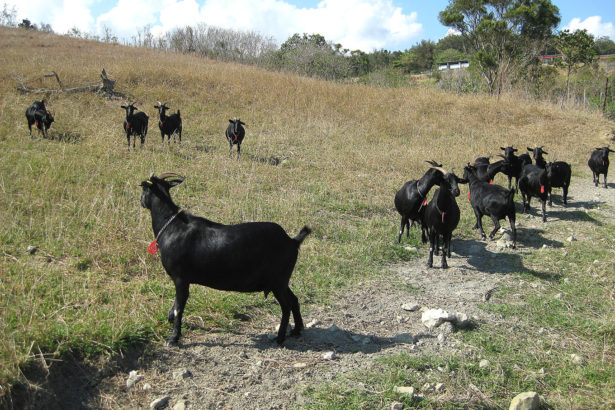
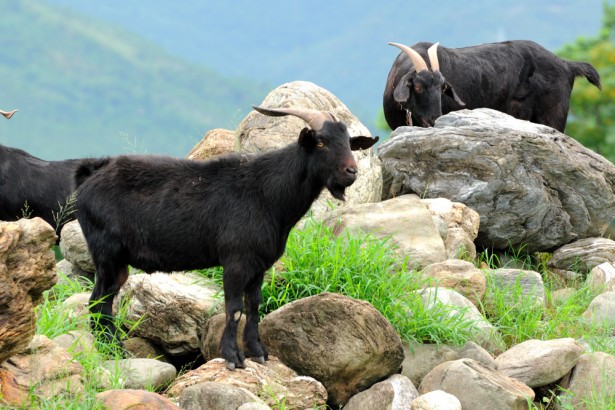
Goat Blood: Nutritional Value, Traditional Uses, and Dietary Precautions
Goat blood is the blood collected during the slaughter of goats, and it is used in the diet and folk traditions of some regions of China. It is both a common animal-blood food ingredient and, in traditional medicinal culture, has been attributed a certain medicinal value.
In terms of composition, goat blood is similar to most animal blood: it is rich in protein and heme iron, and also contains a variety of minerals. This form of iron is relatively easy for the human body to absorb, so animal-blood products are often regarded as one of the everyday iron-supplementing foods.
In folk tradition, goat blood is believed to have effects such as nourishing the blood and stopping bleeding, and in some places it is even used as medicine. However, these claims mostly come from accumulated experience and lack rigorous modern research validation, so it is advisable to view them rationally and not treat them as a means of curing disease.
In everyday consumption, goat blood is generally processed into foods such as blood tofu and blood curd, first coagulated and then cooked. Whichever method is used, it must be thoroughly cooked; avoid eating it raw or drinking raw blood directly, to prevent infection with pathogenic microorganisms or parasites.
When purchasing goat blood products, pay attention to whether the source is legitimate and whether there is quarantine assurance, and check whether the color and smell are normal. Pregnant women, infants and young children, and people with special medical conditions should preferably consult a doctor before eating it, and seek medical attention promptly if any discomfort occurs.
Related Reading