A Detailed Guide to White Goat Breeding Techniques and Methods
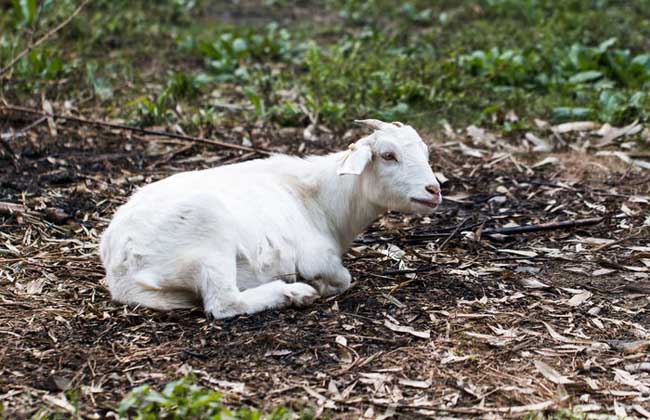
The white goat, also known as the native goat, has strong adaptability and vitality and can grow and reproduce under harsh living conditions. Its production of cashmere, hair, meat, milk and hide is relatively low, but the hide has a fine structure, good layering performance, and finished products are soft, glossy, beautiful and durable, enjoying a high reputation on domestic and international markets. Let's take a look at white goat breeding techniques below!
Breeding Management of White Goats
White goats reach sexual maturity earlier than sheep. The age for first mating varies by breed and region; generally, early-maturing breeds are 8 to 12 months old, while late-maturing breeds are about 18 months old. The body weight of a young female goat at first mating is equivalent to more than 70% of adult body weight. Female goats show obvious signs of estrus such as bleating and tail wagging. Estrus lasts 1 to 2 days, and the estrous cycle is 18 to 20 days. Most breeds come into estrus and mate in autumn and winter, but some breeds, especially those distributed in low-latitude regions, can come into estrus year-round, producing three crops in two years or two crops in one year. The gestation period is 146 to 150 days, and the kidding rate is generally above 150%. First-time mothers mostly give birth to a single kid, while after the second pregnancy they often give birth to twins or triplets.
Grazing and Rearing of White Goats
In pastoral and mountainous areas, white goats are grazed year-round, with supplementary feeding only when heavy snow covers the ground and before and after the female goats give birth. In farming areas, they are mostly raised separately by farming households, using riverbanks, roadsides and other open spaces for seasonal grazing or tether grazing. In places without grazing conditions, some are kept in sheds year-round. During the green grass season, each goat is fed 3 to 5 kg of cut grass per day; during the dry grass season, each goat is fed 1 to 1.5 kg of hay per day. Breeding rams, and female goats in late pregnancy and lactation, are given supplementary concentrate as appropriate. They are heat-tolerant but afraid of drafty winds and cold rain, so attention must be paid to keeping them warm and protecting them from rain. Two weeks after shearing, they are given a medicated bath. Male kids not intended for breeding are castrated at about half a month after birth.
White Goat Breeding Techniques
1. Catching goats: When catching a goat, try to minimize its range of movement. Move quickly and accurately, and swiftly grab the goat's rear flank or the lower part of the hock. To restrain a goat, generally clamp the goat's neck between your two legs and press against its rump so that it cannot move forward or backward, allowing various procedures to be carried out on the goat. To guide a goat forward, place one hand under the lower part of its neck to control direction, and scratch at the base of its tail with the other hand to make the goat move forward a short distance. Never twist the horns or forcibly pull the head.
2. Cashmere combing: For meat-and-cashmere white goats, cashmere combing should be carried out every spring. Begin combing when the downy hair on the goat's head, ear base and around the eyes starts to shed. About one week after finishing cashmere combing, shearing is carried out. When combing cashmere, first lay the goat down, tie the two front legs and one hind leg together with a rope, then use a sparse comb, following the direction of the hair, to gently comb out the bits of grass and dung stuck to the goat's body from top to bottom along the neck, shoulder, chest, back, loin and thigh areas. Then use a fine comb to comb against the direction of the hair, in the order of thigh, loin, back, chest and shoulder. Keep the comb close to the skin and apply even pressure to avoid scratching the skin.
3. Disbudding: Lay a 5- to 7-day-old kid on its side, feel the horn base with your fingers until you sense a hard protrusion, then cut the hair at that spot and apply petroleum jelly around it. Take a stick of caustic potash (soda), wrap one end in paper, moisten the other end with water, and rub it repeatedly on the horn protrusion until slight bleeding occurs. After rubbing, sprinkle a layer of hemostatic and anti-inflammatory powder on the horn base, and place the kid alone in a small pen separated from the mother goat to prevent the medicine from getting on the mother's udder during nursing and damaging the udder.
4. Hoof trimming: This is generally done after rain. When trimming hooves, seat the goat on the ground, stand behind the goat so that it half-lies between your legs, and lift its hind legs so that it cannot get up. When trimming, start from the front limbs. First use fruit-tree shears to cut off the overgrown tips of the hoof, then use a knife to trim the edge of the sole until it is level with the sole. Continue until a pale red blood vessel can be seen at the sole. If excessive trimming causes bleeding, apply iodine tincture to prevent infection. If the bleeding does not stop, heat a branding iron until it is slightly red and quickly cauterize the sole. After shaping, the sole should be flat and the front end of the hoof should be square-round in shape.
5. Brushing: Dairy goats should be brushed every day to keep the body clean and promote blood circulation. When brushing a goat, it is best to use a stiff grass brush to brush the whole body from top to bottom and from front to back. If there is dung stuck on the goat's body, it can be gently combed off with an iron brush or rinsed clean with water, then wiped dry.