A Detailed Guide to Lettuce Growing Techniques: Management Points from Sowing to Harvest
Lettuce is a biennial or annual herbaceous vegetable of the genus Lactuca in the Asteraceae family, also known as leaf lettuce. Its leaves are crisp, tender and refreshing, and it can be eaten both raw and cooked. Lettuce growing techniques are a set of cultivation methods summarized around its growth habits, covering every step from variety selection, sowing and raising seedlings, field management to harvest.
By head form, lettuce can be broadly divided into loose-leaf lettuce, head lettuce and romaine (upright) lettuce, with loose-leaf varieties being the most common in home gardens. Lettuce prefers a cool climate; it tolerates cold but not high temperatures, and grows best in loose, fertile soil that retains water and nutrients. Open-field cultivation is best in spring and autumn; during hot summer periods, shade and cooling are needed, while in winter it can be grown using protective facilities such as greenhouses.
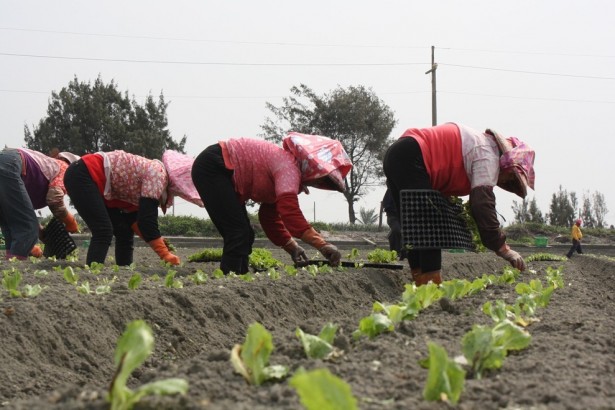
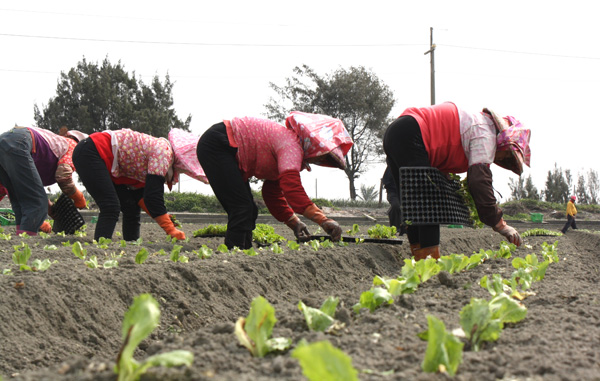
Before planting, deep-till the soil and apply plenty of base fertilizer. Lettuce seeds are tiny, so in production the usual practice is to raise seedlings first and then transplant; when the seedlings have grown several true leaves, they are planted out, with spacing between plants and rows ensuring ventilation and light penetration. During the growing period, keep the soil moist, watering little but often and avoiding waterlogging; topdressing should be mainly nitrogen fertilizer, appropriately combined with phosphorus and potassium fertilizer, and head-forming varieties especially need a guaranteed nutrient supply during the heading stage.
Common lettuce diseases include downy mildew and soft rot, while the main pest is aphids. In daily management, strengthen ventilation and reduce humidity, promptly remove diseased plants, give priority to agricultural and physical control methods, and use chemicals scientifically only when necessary. Once the leaves have fully grown and the head is basically firm, harvest in batches; harvesting too late makes the plant bolt and age, worsening the taste. In short, by managing temperature, humidity, fertilizer and water well, you can grow crisp, tender, high-quality lettuce.
Related Reading