Spinach Cultivation Techniques and Disease Prevention and Control Methods
For spinach cultivation, choose loose, fertile, water- and fertilizer-retentive loam with good drainage and irrigation and a slightly acidic soil, with a pH of 5.5-7. When preparing the soil, apply 4000 kg of decomposed organic fertilizer and 40 kg of superphosphate per mu, level and finely rake the soil; in winter and spring, make high beds, and in summer and autumn, make flat beds, with a bed width of 1.2-1.5 m.
In the Yangtze River basin, early autumn sowing is generally from late August to early September, and harvesting is done in batches 30-40 days after sowing. Sowing can also be advanced to July or delayed to mid-to-late September. If sown from late October to early November, it is harvested in the following spring. Spring sowing is generally from February to April, but mid-March is the suitable time, with harvesting 30-50 days after sowing.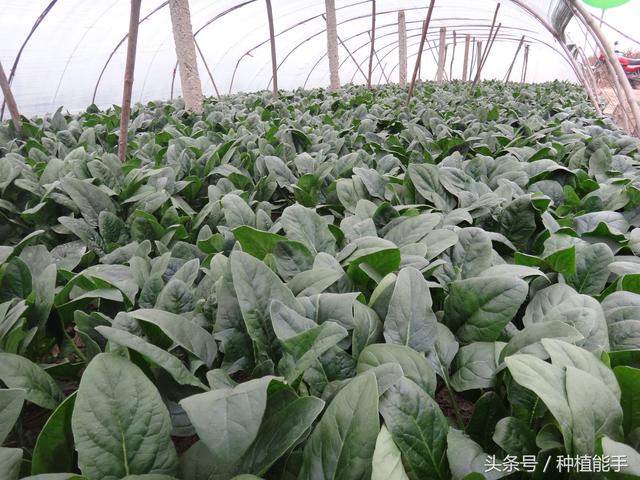 Cultivation Techniquesand Disease Prevention" inline="0">
How to promote germination and sow?
For sowing before early September, it is advisable to soak the seeds first to promote germination. The method is to first soak the seeds in room-temperature water for 12 hours, then treat them at 4°C for 24 hours, and afterward promote germination at 20-25°C. Alternatively, suspend the soaked seeds above the water surface of a well to promote germination; after 3-5 days, once the seeds sprout, they can be sown. For sowing in early September, soaking and germination promotion are not necessary. The seeding rate varies with the cultivation region, cultivation season, and harvesting method; generally, for autumn sowing, use 5-7 kg per mu, and for spring sowing, 3-4 kg. In high-temperature seasons, severe winter regions, and for multiple-harvest cultivation, the seeding rate should be appropriately increased. Broadcasting and drilling are the common sowing methods. For broadcasting, even sowing is required, and after sowing, lightly rake once with a toothed rake so that the seeds enter the soil. For early autumn sowing, to prevent high temperatures and heavy rain, shade netting can be used after sowing to protect the seedlings in the early stage. Cultivation Techniquesand Disease Prevention" inline="0">
How to apply topdressing?
In the early growth stage of autumn spinach, the temperature is high and drought is likely, so fertilizer can be applied together with water. It is advisable to apply 20%-40% decomposed human urine and feces as a drench. Overwintering spinach should be given sufficient fertilizer before spring warms. For spinach harvested in stages, apply topdressing promptly after each harvest. Pay attention to controlling nitrogen to prevent excessive accumulation of nitrate and nitrite in spinach.
How to prevent and control pests and diseases?
The main pests and diseases include downy mildew, anthracnose, and spinach leafminer. For downy mildew, spray once with 25% metalaxyl wettable powder at 800-1000 times dilution, with a pre-harvest interval of 10 days. For anthracnose, spray once with 25% carbendazim wettable powder at 700 times dilution, with a pre-harvest interval of 10 days. For leafminer, spray once with 2.5% deltamethrin emulsifiable concentrate at 300-600 mL per mu, with a pre-harvest interval of 7 days. 8. How to harvest? Autumn spinach begins to be harvested 30 days after sowing, once every 20 days, for a total of 2-3 harvests. Early-sown spinach yields about 1250 kg per mu, late-sown about 2000 kg, and overwintering about 2500 kg. Spring spinach is often harvested once, yielding about 1250 kg per mu.