The hidden reason why fruits and melons don't taste as good as they used to is not that farmers' cultivation techniques are lacking
Anyone who has lived in the countryside or was born and raised there feels the same way! They always feel that the fruits and melons sold today are not as fragrant and sweet as before!
To be fair, it's not that people have "forgotten their roots," not that people have become picky eaters, and not that farmers' cultivation techniques are inadequate; rather, it's that growers one-sidedly pursue high yields and early ripening, using greenhouses for off-season production to boost economic returns. In doing so, they intentionally go against the most basic natural law of plants growing in their proper seasons. Yields have increased, economic returns have risen, but the flavor has likewise deviated somewhat!
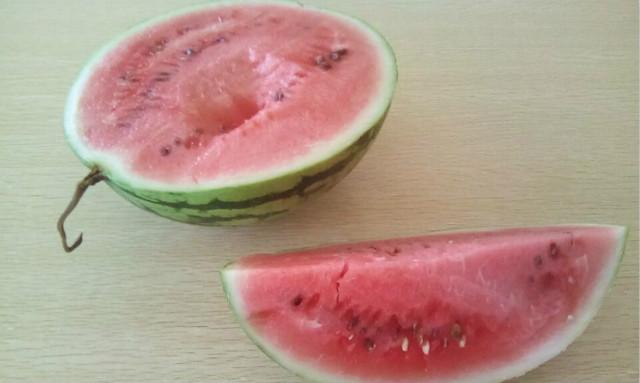 Cultivation techniquesare not the problem, but there is another hidden reason!" inline="0">
The factors affecting the quality and taste of fruits and melons are mainly the following three aspects:
(1) Variety characteristics
Modern researchers use various high-tech means to breed improved varieties and to improve and hybridize native varieties. As a result, some formerly good varieties that were deeply loved by everyone have slowly disappeared from people's view due to certain inherent shortcomings. And some varieties more or less carry some "foreign blood." Driven by the one-sided pursuit of large size, high yield, and high returns, there are more and more varieties - foreign and native - making it somewhat hard for people to tell them apart.
(2) Changes in cultivation methods
The promotion and popularization of various modern planting techniques. The level of cultivation technology is getting higher and higher. Greenhouse off-season cultivation technology means fruits and melons are available in all four seasons without interruption. The daily variety of fruits and melons is also diverse and numerous - imported and domestic; sour and sweet - with all kinds of flavors flooding the market. People have more and more choices, and their tastes are becoming more and more complex; this has completely changed the public's formerly relatively simple palate, and they always feel that something is missing no matter what they eat!
(3) Changes in sales methods
In the past, when farmers grew fruits and melons, they would harvest a batch once it ripened, selling the early-ripening ones first and the later-ripening ones afterward; letting them ripen naturally and selling them nearby, they were very fresh. There was no human intervention.
But now, most of the fruits and melons farmers produce are purchased on-site by vendors. As long as they are 70 to 80 percent ripe, they are all harvested at once, regardless of whether they are large or small, old or tender, and loaded onto trucks all together and hauled away; taken to cities hundreds or thousands of kilometers away to be sold. Overly ripe ones are not suitable for storage for too long; only the nearly ripe ones can withstand transport and storage. And most of what we buy is fruit and melons that are not fully ripe, so the taste and sweetness are naturally a little worse than those that ripened naturally!
Improved varieties, reversed growing seasons, changed sales models, earlier harvest times, and so on! These are the factors that have caused our senses and taste functions to react differently. They just don't taste as sweet and fragrant as before! There is no way to change this. If you want to eat them, just make do!