Detailed Explanation of Key Techniques for Spring Potato Planting
As one of the four major food crops, the potato is also an important vegetable crop. It is not only rich in nutrients but also high in medicinal value. Because potatoes have wide adaptability, are relatively simple to cultivate, and produce high yields, farmers in the north are very enthusiastic about growing potatoes, and potatoes can bring farmers high economic returns.
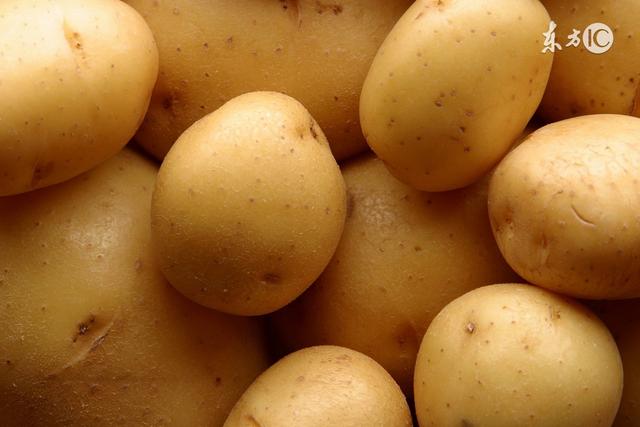 Planting Techniques" inline="0">
I. Variety Selection
The following points should be noted when selecting potato varieties:
1. Pay attention to climatic conditions and check whether the climate of the introduction area is similar to that of the place of origin. When the conditions are similar, introduced varieties are more likely to succeed.
2. Pay attention to the growth period of the variety. When introducing varieties, you must pay attention to the length of the growth period. In particular, when introducing from the north to the south, you must introduce early-maturing and early-to-mid-maturing varieties, and strive to harvest before temperatures rise.
3. Be sure to select and introduce virus-free seed tubers. Viruses are one of the main causes of potato variety degeneration. They destroy the plant's normal internal functions. Even if all other growth conditions are met, the plant still cannot grow well and severe yield reduction is unavoidable.
II. Cutting Seed Potatoes and Sprouting
Sprouting is generally started about 25 days before sowing. When cutting potato seed tubers, each seed piece should have at least one eye. After cutting, carry out sterilization and disinfection. After the seed pieces are dried, begin sprouting in the seedbed. The sprouts should not exceed 1 cm in length before sowing begins.
III. Land Selection and Preparation
Before sowing, observe the soil moisture condition. If the soil moisture is poor, consider irrigating the furrows to build up moisture.
For soil selection, it is best to choose flat terrain that is convenient for irrigation and good for drainage. The soil should be loose and fertile, which is convenient for potato tuber expansion. After the previous crop is harvested, carry out deep plowing and fine harrowing, then make beds. The width and height of the beds should be determined according to the terrain and soil moisture. Where the terrain is high and drainage is good, wide beds can be made; where the terrain is low and drainage is poor, narrow beds or high beds should be made.
Planting Techniques" inline="0">
IV. Sowing and Covering with Film
Virus-free potatoes can be sown early, with sowing completed before the Spring Equinox, and plant spacing can be controlled at 20 cm. Organic fertilizer can be spread directly into the furrows or applied during land preparation; chemical fertilizers can be placed into the furrows or scattered between the seed pieces.
When sowing, there are two methods for placing the seed pieces into the furrows: one is with the sprouts facing down, and the other is with the sprouts facing up. After sowing is completed, take soil from both sides within the large rows to cover the potato furrows and the spaces in the small rows, then rake them level, cover tightly with micro-film, and press it firm.
V. Scientific Fertilization
The potato is a high-yield crop that likes fertilizer. High yields certainly require nitrogen, phosphorus, and potassium. Nitrogen promotes stem and leaf growth and delays leaf senescence; phosphorus can strengthen leaf photosynthesis and enhance material transport and metabolic functions; potassium not only improves the photosynthetic efficiency of potato leaves but also promotes the synthesis and transport of organic matter, enhances stress resistance, and improves product quality. In short, nitrogen, phosphorus, and potassium play a crucial role in high potato yields.
Potato fertilization should be based mainly on organic fertilizer. Generally, the principle is "organic fertilizer as the main input, chemical fertilizer as a supplement, emphasis on base fertilizer, and early application of topdressing."
VI. Pest and Disease Control
The main insect pests harming potatoes are aphids, 28-spotted ladybird beetles, and underground pests. Underground pests mainly include mole crickets, cutworms, and others.
For aphid control, use 40% omethoate at 800 times dilution or 10% imidacloprid wettable powder at 1000 times dilution; for 28-spotted ladybird beetles, use 80% trichlorfon at 500 times dilution or dimethoate at 1000 times dilution for spray control, starting control as soon as adults are found; underground pests are mainly mole crickets and cutworms. Use 80% trichlorfon wettable powder 500 g, add water to dissolve it, then mix it evenly with 20 kg of roasted cottonseed cake or wheat bran to make poisoned bait, and scatter it at the roots of seedlings in the evening for trapping and killing, or use phoxim granules 812 powder and apply it into the soil along with sowing for control.
The main disease is late blight. The diagnosis and treatment of potato late blight and necrosis ultimately cause the diseased potatoes to rot. Late blight can also cause large-scale rotting of potatoes during storage. You can soak the seed tubers in 200 times dilution formalin solution. Then pile them up and cover them tightly, keep them sealed for 2 hours, then spread them out to dry.