Key Points of Eggplant Cultivation Techniques, from Seedling Raising and Transplanting to Harvest Management
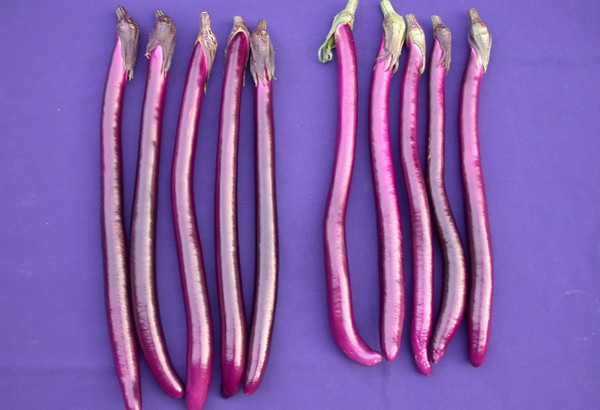
Eggplant cultivation techniques refer to a complete set of growing methods covering variety selection, seedling raising, transplanting, field management and harvesting. Eggplant likes warmth and light, is not tolerant of frost, and does not tolerate waterlogging. When planting, the appropriate growing season should be arranged according to the local climate, and varieties with strong disease resistance that match market consumption habits should be selected.
In the seedling stage, the seeds are generally first disinfected, soaked and pregerminated, and the seedlings are transplanted to the field after they grow several true leaves. Before transplanting, the soil should be deeply plowed, fully decomposed organic fertilizer should be applied as base fertilizer, and high beds or ridges should be made for cultivation to facilitate drainage during the rainy season. Planting density should be reasonable; too dense planting easily leads to poor ventilation and aggravates disease occurrence.
The key to field management lies in water and fertilizer regulation and plant adjustment. Eggplant has a long growth period and a large fruit load. In addition to base fertilizer, additional fertilizer should be applied in batches after the first fruit sets, keeping the soil moist but not waterlogged. During the growth period, timely pruning and removal of side shoots, and removal of lower old leaves and diseased leaves, with support fixing when necessary, can improve ventilation and light penetration and enhance fruit quality.
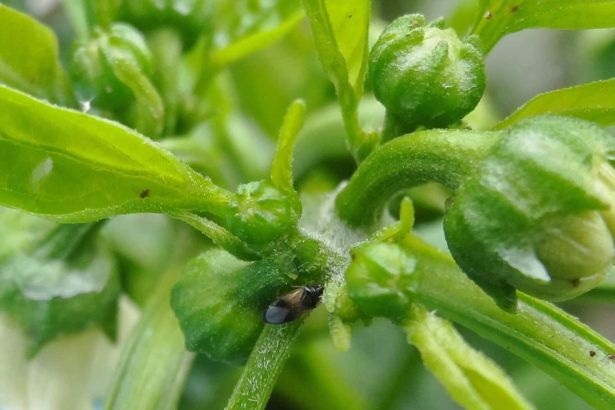
Pest and disease control should focus on prevention. Thrips, red spider mites and aphids are common pests of eggplant. Farmers who are able to do so can release natural enemies such as Orius sauteri to suppress thrips and reduce pesticide use; for diseases such as Verticillium wilt and Phytophthora blight, the incidence can be reduced through crop rotation, high-bed cultivation and timely removal of diseased plants.
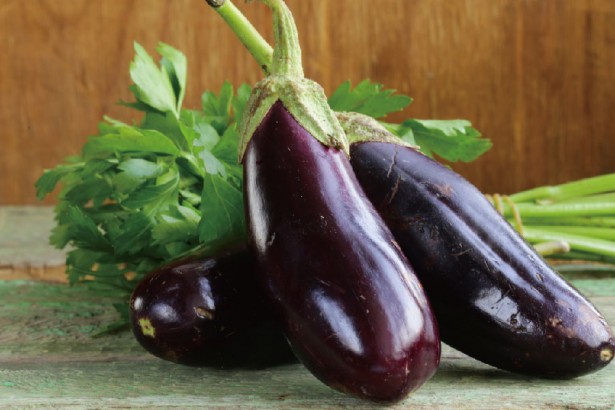
For harvesting, eggplant is mainly eaten as an immature fruit, and it should be harvested in batches promptly when the fruit is fully swollen and the skin is dark and shiny. Harvesting too late makes the flesh old and affects the taste and subsequent fruit set. In addition, when buying seeds, use proper channels and beware of counterfeit seedlings to avoid unnecessary losses.
Related Reading