The Origins of Lobster and the Spread and Development of Crayfish in China
Lobster is a general term for a group of large crustaceans, and the origin of its name is closely tied to traditional Chinese culture. Lobsters are clad in a segmented, hard shell, with a pair of long antennae curving and extending outward, and their form resembles the dragon of myth and legend so closely that the ancients named them after the character for dragon, and thus the name "lobster" came into being.
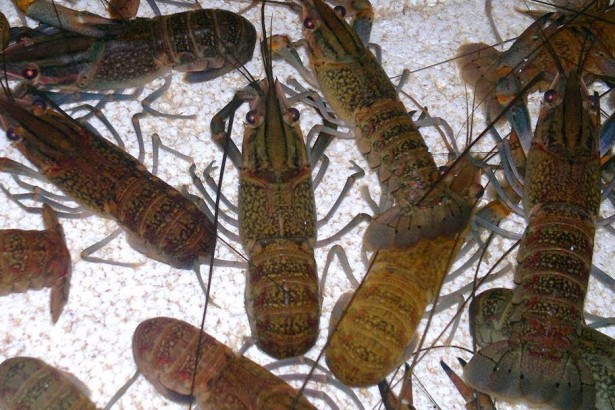
From a biological perspective, lobsters belong to the crustaceans among the arthropods, and they have existed on Earth for a very long time, far earlier than the appearance of humans. The marine lobsters we commonly refer to include species such as the ornate spiny lobster and the rock lobster, most of which inhabit warm shallow seas; the crayfish commonly seen on night market tables, whose proper name is the red swamp crayfish, is native to North America and was introduced to China via Japan in the first half of the twentieth century, after which it gradually reproduced and spread through rivers and ditches in various regions.
In the early period after its introduction, crayfish mostly grew naturally in field ditches and were not regarded as a food ingredient. As its edible value was discovered and artificial breeding techniques gradually matured, it developed from a wild resource into a large-scale farming industry, with concentrated farming production areas forming in Hubei, Jiangsu, Anhui and other places, and flavors such as spicy, garlic and thirteen-spice also made it a representative delicacy of summer late-night snacks.
It should be noted that lobster and crayfish are not the same kind of animal: marine lobsters generally have no large claws, and their edible parts are concentrated in the abdomen and tail; crayfish are freshwater crayfish and have a pair of obvious large claws. The crawfish commonly found in Northeast China is also a close relative of freshwater crayfish, but it is smaller in size. Understanding the origins of lobster and these differences helps us more accurately recognize the various shrimp products on our tables.
Related Reading