An Analysis of the Characteristics and Farming Value of the Peacock Blue Pheasant
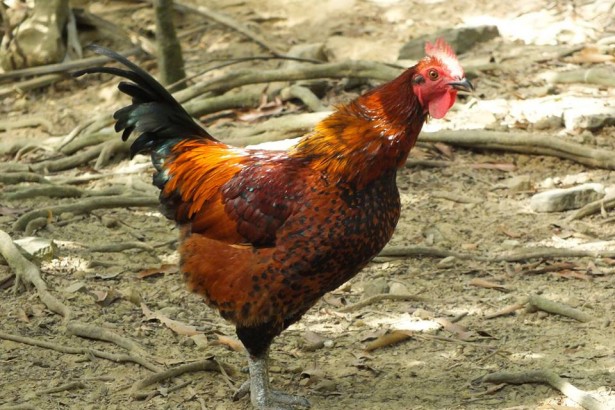
The Peacock Blue Pheasant is a plumage variety of the pheasant (scientific name Phasianus colchicus), named for the peacock-like blue metallic sheen on the feathers of the male's neck and breast. Compared with the common ring-necked pheasant, its plumage is more delicate and elegant, and its body is well proportioned and compact. It attracts considerable attention in specialty poultry farming, offering both ornamental value and value for meat and egg production.
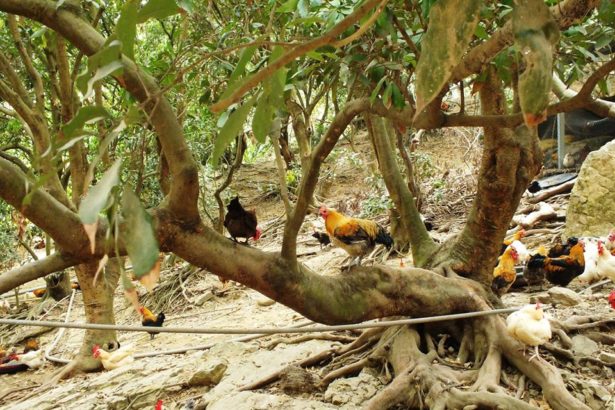
In appearance, the male Peacock Blue Pheasant has a head and neck that mostly show a blue-green sheen, with long, upright tail feathers, while the female's plumage is darker, mainly brown, making it easy to hide in grass. It retains the pheasant's natural traits of strong adaptability, tolerance of coarse feed and good running ability, and likes to live in areas with shrubs and cover; it is highly alert, so the environment should be kept quiet during rearing.
In terms of farming, the Peacock Blue Pheasant is raised in much the same way as ordinary pheasants, requiring a spacious exercise yard and appropriate shade; measures should be taken to prevent heat stress in summer and to keep it warm in winter. Feed can be supplied as a combination of grains, green fodder and compound feed. Strengthening nutrition during the growing period helps with fattening, while during the breeding period the quality of feed should be improved to promote egg laying, along with good routine disease prevention and control.
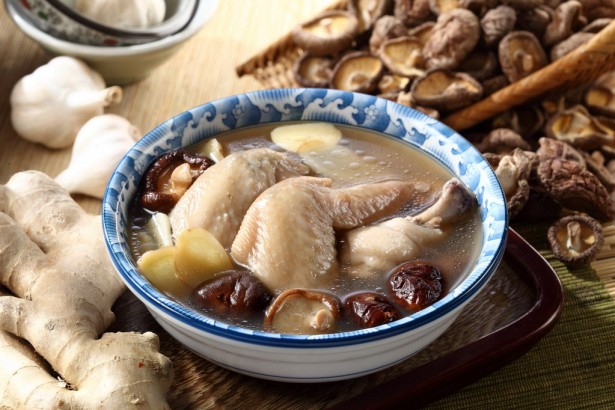
Because of its beautiful feathers and firm meat, the Peacock Blue Pheasant can be used both for ornamental purposes and backyard keeping, and can also be developed as a specialty poultry for meat and egg products. When introducing breeding stock, farmers should choose healthy sources and master the key steps of fattening, summer heat relief and egg-laying management in order to raise the survival rate and overall farming returns.
Related Reading