Analysis of Key Points in Winter Melon Cultivation Techniques: A Full Guide from Seedling Raising to Harvest
Winter melon is an annual trailing herbaceous crop of the Cucurbitaceae family. It likes warmth and tolerates heat, has a long growing period, produces large fruits, and has a relatively high demand for water and fertilizer. Its root system is fairly well developed and its vines grow vigorously, so whether it is grown trailing on the ground or on trellises, sufficient row and plant spacing must be left to ensure ventilation and light penetration in the field.
Winter melon is mostly grown by raising seedlings first and then transplanting. Before sowing, the seeds are soaked in warm water to promote germination, and once the seedlings emerge evenly they are planted out. When the seedlings have grown two or three true leaves, they are moved into the field, and after planting they are watered thoroughly to help them recover. In the early growth stage, the focus is on promoting root development and strong seedlings, laying a good foundation for fruit setting later on.
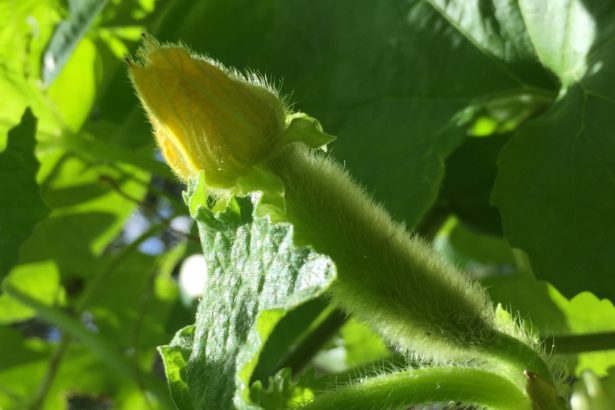
Winter melon flowers are divided into male and female flowers. If the fruit-setting period meets cloudy rain and low temperatures, pollination may be poor and fruit abortion and dropping can easily occur, so artificial pollination can be used to increase the fruit-setting rate. In terms of management, vines should be trained and side shoots pruned in time; generally the strong female flowers on the main vine are selected and kept for fruit, while the remaining side vines are appropriately removed to reduce nutrient consumption. The fruit-swelling stage has concentrated water and fertilizer needs, so in addition to applying sufficient base fertilizer, fertilizer should be applied in split dressings, and watering should be kept balanced, as alternating drought and moisture can easily cause fruit cracking.
As for diseases, fusarium wilt, phytophthora blight and powdery mildew are common. Crop rotation, clearing ditches for drainage and timely removal of diseased plants can reduce their occurrence, while for insect pests, attention should be paid to controlling aphids and the like. When the waxy bloom on the fruit surface is obvious and the fine hairs have basically fallen off, the winter melon is fully ripe and can be harvested. After harvest, it can be stored in a cool, dry place for a relatively long time.
Related Reading