Large-flowered daylily blooms are large and brightly colored, and the planting and care methods must be mastered
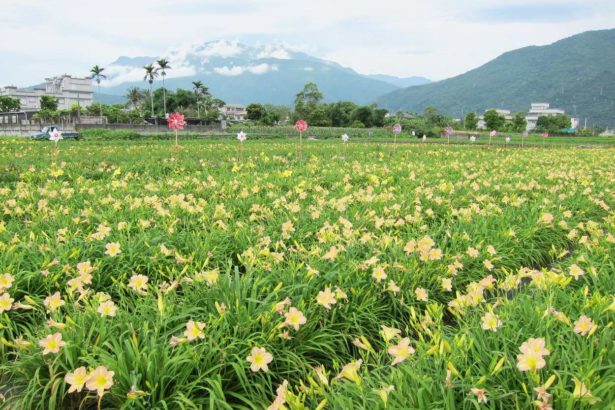
The large-flowered daylily is a perennial herbaceous plant of the genus Hemerocallis in the Liliaceae family. It gets its name because its flowers are noticeably larger than those of common daylilies, and in some areas it is also called large-bracted daylily. The plant's leaves grow in a cluster from the base, forming slender strips, and the flower scape is drawn out from the leaf cluster, with several funnel-shaped large flowers borne at the top. The flower colors are mostly warm tones such as golden yellow and orange-yellow, and horticultural varieties also include colors such as red and pink, making its ornamental value very outstanding.
Like other plants in the genus Hemerocallis, a single flower of the large-flowered daylily usually opens for only one day, but there are many buds, which bloom one after another, so the ornamental period of the entire clump can last for several weeks. It is often planted in masses in flowerbeds, flower borders, roadside edges and courtyards. During peak blooming, the flowers open in continuous swaths, creating a bright and lively landscape effect.
In terms of care, the large-flowered daylily is highly adaptable, prefers sufficient sunlight, can also tolerate partial shade, and has relatively outstanding cold resistance. It is not demanding about soil, but grows best in loose, fertile, well-drained soil. Maintaining a water supply during the growing period and applying appropriate additional fertilizer will make flowering more abundant. Promptly cutting off spent flowers and dead leaves after flowering can reduce nutrient consumption and help the flowers bloom more uniformly the following year.
Propagation is mainly by division, mostly carried out in spring or autumn. The mother plant is dug out and divided into small clumps with roots to be planted separately, and the survival rate is relatively high. It should be noted that the large-flowered daylily is mainly ornamental. Although the buds of some plants in the genus Hemerocallis can be used as food ingredients, there are large differences among species, and species that have not been confirmed should not be eaten casually.
Related Reading