The countryside is a vast garden, and the rural scenery is a feast for the eyes.
I personally love reading the reports by the writers at NewsMarket, and every kind of story based on ”food” is filled with love for this environment. Having read these reports over the past nearly a year, and then a little earlier coming across ”the farmer writing workshop activity”, I felt somewhat moved and wanted to share; about the business model of organic agriculture.
Looking at the bigger picture, agriculture itself is basically a necessary evil of civilization, a behavior produced to satisfy the materials needed by civilization. Thus Shennong (in legend) invented farming techniques to meet population growth, and even tasted hundreds of herbs to define the value of edible plants to humankind. And today, because of petroleum culture leading to material excess, humans have only begun to reflect: "Have we gone too far with the earth?" This has given rise to so-called natural farming, organic agriculture and other industry subcategories, attempting to give a little something back to the earth, and also attempting to recover a little "humanity."
The author comes from a farming family, but only began paying attention to rural and agricultural issues three years ago (shamefully...). I discovered several problems:
Q1. Manpower (talent).
The youngest professional farmer in my home village is already sixty years old, which means that in 10 years this farmland will face a labor shortage. So either it gets taken over to build luxury farmhouses sold to Taipei people, or people hire others to cultivate it. The "independent operators" left in the whole village are probably just my eighty-year-old uncle, still plowing with an iron ox head older than me (every time I go to film him working, I think I am filming history).
Q2. Sales channels.
The year before last I began noticing the establishment of the "Xingjian Organic Village" cooperative in the neighboring village, and I was very happy. But at the beginning of the year there was a contract problem with distributors that left several thousand jin of organic rice unsold, and in the end it was only cleared through the help of kind-hearted people from all walks of life. My neighbor uncle, who also grows organic rice, says he does not know where to sell it either (his son also joined the farmer writing workshop). Because when it comes to setting up sales channels and consumer groups, these marketing plans and other things are almost commercial behaviors that ordinary farmers cannot understand. In the end they can only obediently hand things over to the farmers' association again, and exit with heavy losses.
Q3. Cost.
According to the calculations of the organic farmers in the village, each rice crop on one hectare of land can yield at most one thousand two hundred kilograms of white rice, and he sells organic rice at 70 yuan per kilogram, which is still worse income than conventional farming handed directly to the farmers' association.
Aren't the above three problems exactly the problems faced by ordinary enterprises?
Profit is the basic condition for the development of any industry, and from my observation about 90% of small farmers are struggling to hold on, their heartfelt hopes being tested, and their hot blood will turn cold. Apart from some more progressive consumers who are willing to sponsor out of social responsibility and awareness, friendly and organic products, compared with the products of most conventional farming methods, are no different to most consumption-oriented consumers, yet the price is much higher. Even many manufacturers that use "cultural creativity" methods to package organic products (in my personal view, too much packaging is not organic at all) do not necessarily find it easy to stir consumers' desire to buy.
Postscript:
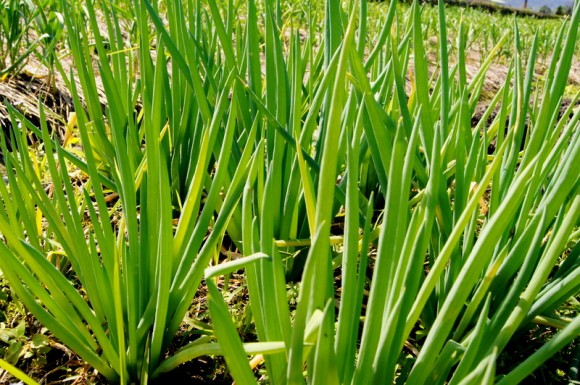
If it happens that you also want to grow something, there is a plot of land next to my home that I am willing to share with anyone interested for a bit of fun, and I guarantee the scallions grown will definitely be 100% Sanxing scallions.
And if it also happens that you want to try the taste of harvesting rice, you can come find me at the end of June, because after several "promising young people" came here in February to "experience" rice transplanting, I still do not know what to do when it is time to harvest, and I do not have a rice harvester either.............dizzy.
Only after finishing typing did I realize the title has nothing to do with the article……………………………..