How to Grow Strawberries and Key Points for Balcony Container Care
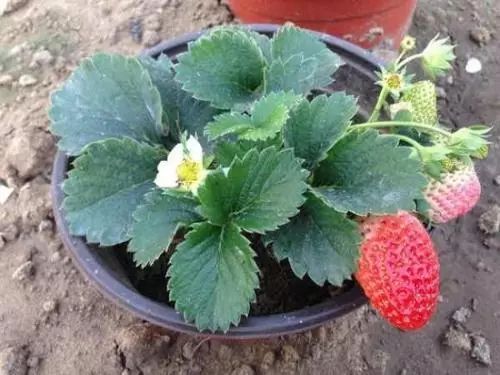
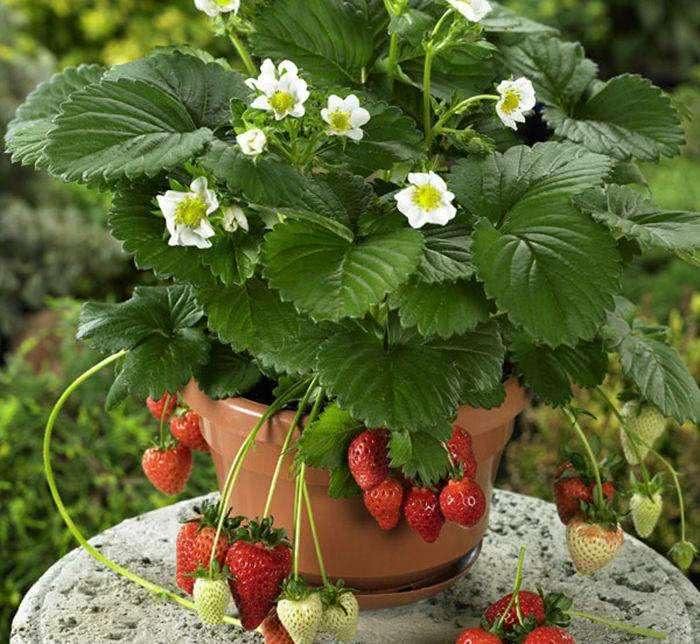
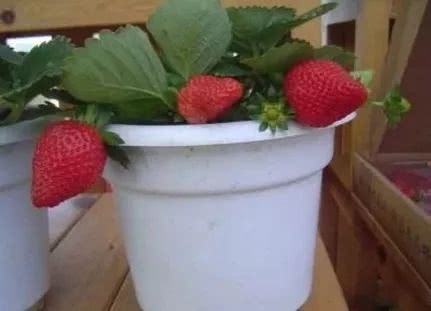
Growing strawberries refers to the gardening activity of cultivating strawberries in a courtyard, on a balcony, or in a field. The strawberry is a perennial herbaceous plant in the Rosaceae family, with sweet-and-sour, juicy fruit and a compact plant form; the combination of white flowers and red berries makes for a very attractive display, and it is suitable both for large-scale commercial cultivation and for home container growing, offering both food and beauty.
There are currently many cultivated varieties; for home growing, people often choose types with a strong aroma and strong fruiting ability, such as the common Benihoppe and Akihime, and there are also everbearing strawberries that can flower and fruit multiple times. When buying seedlings, those with well-developed roots, robust leaves, and no disease spots are best; after the seedlings recover from transplanting, their growth is more stable.
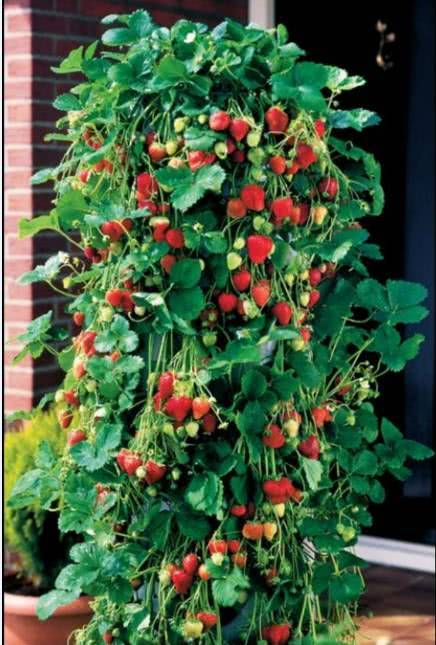
Growing strawberries requires attention to light and to water and fertilizer management. Strawberries like sunlight; with sufficient light, the fruit colors well and has higher sweetness. Water when the soil is dry and let it dry out between waterings to avoid waterlogging and root rot; during the fruiting period, supplement appropriately with phosphorus and potassium fertilizer to help the fruit swell. For container growing, choose loose, fertile soil with good drainage, and placing a drainage layer at the bottom of the pot is safer. Using discarded water pipes or planter boxes to build a vertical growing rack can also save space and expand the growing area.
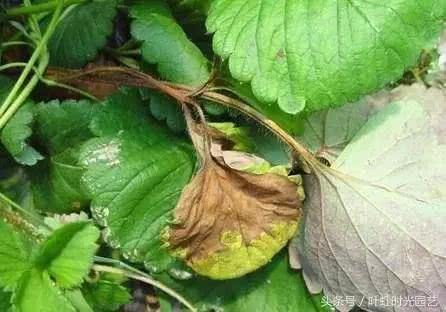
Some people worry that large, bright red store-bought strawberries are caused by hormones, but in fact fruit size is mainly related to variety and care conditions, and strawberries grown according to standard practices can be eaten with confidence. Home growers also need to pay attention to preventing and controlling soil-borne diseases such as gray mold and root rot, promptly remove old leaves and diseased fruit, maintain ventilation, and if necessary use microbial inoculants to improve the soil, reducing disease occurrence from the source.
Related Reading