Are strawberries genetically modified? This is how the various colored strawberries on the market came to be
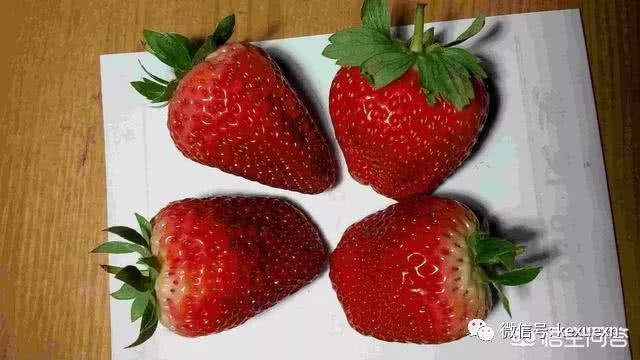
First, let us make one thing clear: at present, China has no genetically modified strawberries. No matter how many varieties of strawberries appear on the market, they are all bred through traditional breeding methods. Do not assume that just because a color or shape looks unusual compared with what you normally see, it must have been created by genetic modification. And by no means should you overestimate the power of genetic modification; current genetic modification technology has not reached the point where you can make any bizarre product you want.
(Space strawberry)
Quite a few uninformed friends, upon hearing about so-called milk strawberries, ask whether the milky scent is obtained through so-called genetic modification technology. Even more absurdly, some, following the traditional Chinese medicine idea of "like supplements like," believe they are grown by watering the plants with milk!
It should be said that both claims are purely nonsense delivered with a straight face. The idea of "like supplements like" has no scientific basis to begin with, and even if you water milk on plants, it cannot give strawberries a milky scent. I previously wrote a dedicated article proving this. If it really could work, the method of watering with milk would also make strawberries far too expensive. But high cost is secondary; if it could be achieved, by now we should be able to eat more so-called milk apples, milk peaches, milk bananas, and even milk watermelons, right? Yet at present there is not a single one.
(Snow White strawberry)
As for the technical principle of obtaining so-called milk strawberries through genetic modification, it seems very reasonable, namely transferring the gene that controls the milky scent in cows into strawberries. However, this seemingly very reasonable claim is far from the facts. Leaving aside whether the above genetic modification claim is reasonable, as a matter of fact it does not hold up either.
This so-called milky-scented strawberry comes from a strawberry variety introduced from abroad called "Zhangji" (Akihime), which is named for its naturally milky scent. After its introduction, it was crossed and backcrossed with some of China's varieties and other means to breed a series of other varieties. Therefore, cream strawberries are not that magical either.
Regarding the questioner's view that many strawberry varieties and colors mean they are genetically modified, in reality, which crop today has few varieties? Rice, rapeseed, corn, soybean, wheat and others each count no fewer than a hundred varieties! Should they also be classified as genetically modified varieties? Diversity in varieties, colors and so on is something that exists in every species. This is also the result of breeders specifically selecting varieties to cope with complex and changeable geographical environments and to satisfy people's different tastes and consumer needs, and has nothing to do with whether they are genetically modified.
In addition, strawberries are not on the list of genetically modified crops approved for commercial cultivation in China, so there is no need to doubt whether strawberries are genetically modified. Rather than worrying about the safety issues brought by whether strawberries are genetically modified, it would be more practical to care about the issue of pesticide residues in strawberries. After all, if genetically modified insect-resistant strawberries really were bred, less pesticide could be used, while at present there are no genetically modified ones, so pesticide residues in strawberries are perhaps what everyone should focus on.
This is Science for Agriculture. Everyone is welcome to discuss and share your views in the comments section. We look forward to your exchange.