How to prevent and control soil-borne diseases in strawberries? Microbial inoculants solve the problem at the root
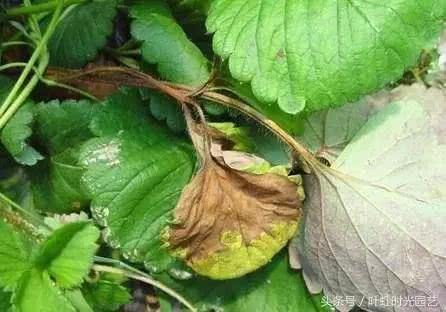
Strawberries are sweet and tangy, loved by young and old alike, highly nutritious, and their economic returns are very substantial. However, in the process of strawberry cultivation, chemical fertilizers and pesticides are used very frequently, and over time, the soil structure is damaged and the species and numbers of soil microorganisms are greatly reduced, so soil nutrients cannot be absorbed and utilized, plant resistance declines, and harmful substances cannot be broken down in time. Soil-borne diseases such as strawberry Verticillium wilt, Fusarium wilt and root rot are becoming increasingly serious, severely affecting the economic returns of strawberry cultivation!
To avoid the occurrence of soil-borne diseases in strawberries, the first step is to increase the organic matter content in the soil; methods such as applying farmyard manure, returning crop straw to the field, and planting green manure crops can achieve the effect of building soil fertility. The second is to increase the species and numbers of beneficial microorganisms in the soil; applying microbial inoculants can achieve remarkable results. In the process of strawberry cultivation, these two aspects must be combined and promoted together to truly play a role in avoiding infection by soil-borne diseases.
Microbial inoculants contain large amounts of highly active beneficial bacteria, which can perform functions such as nitrogen fixation, phosphate solubilization and potassium solubilization, turning organic matter in the soil into nutrients that plants can absorb. In the process of reproduction, beneficial bacteria can also release antibacterial substances such as antibacterial peptides and lactic acid, which can significantly prevent and control various soil-borne diseases, improve plant disease resistance, and also improve quality and increase yield. In addition, applying microbial inoculants in strawberry cultivation can also degrade pesticide residues and heavy metals remaining in the soil, making the strawberries produced safer and healthier!