Characteristics of the Orange Jessamine Tree and Introduction to Bonsai Care Methods
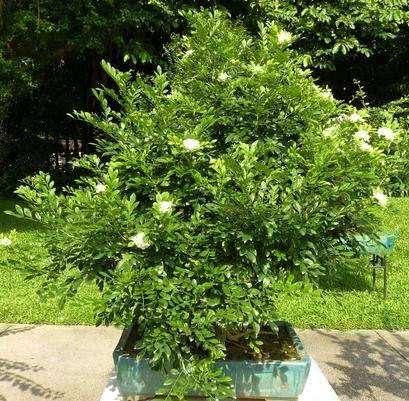
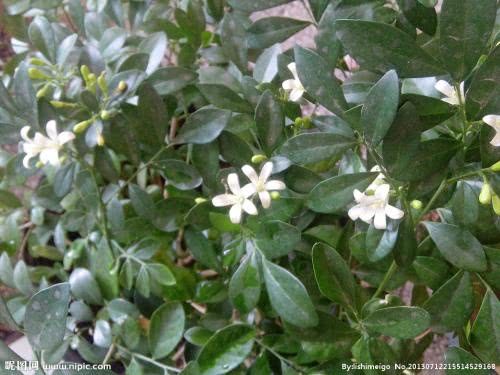
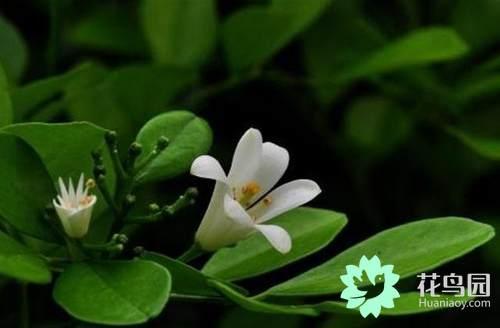
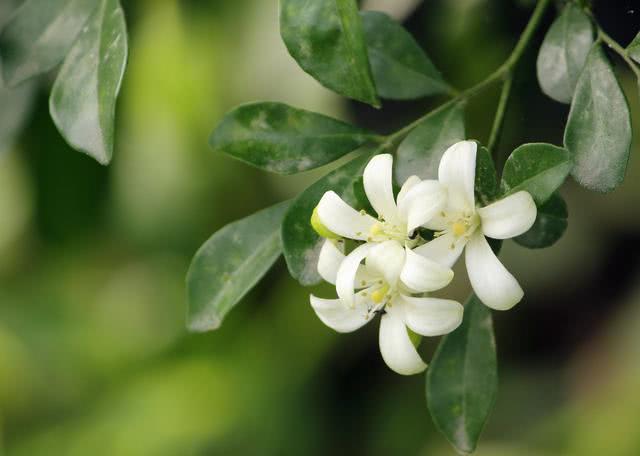
The orange jessamine tree (Murraya paniculata) is an evergreen shrub or small tree of the genus Murraya in the Rutaceae family, and is very common in courtyards and parks in the south. Its branches and leaves are compact and elegant, and its small white flowers bloom in clusters with a rich fragrance that carries far, which is how it got the name "nine-mile fragrance" (jiulixiang). The fruit that forms after flowering turns from green to red, and the fruiting period also has good ornamental value.
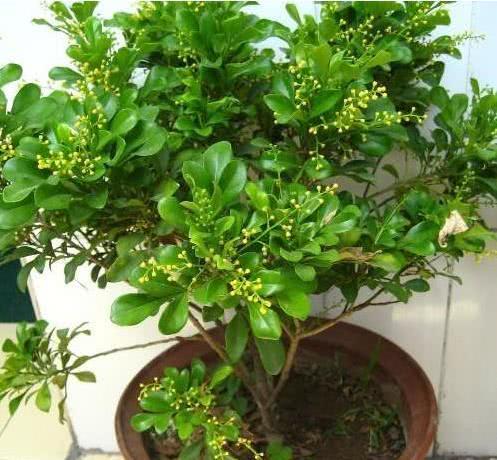
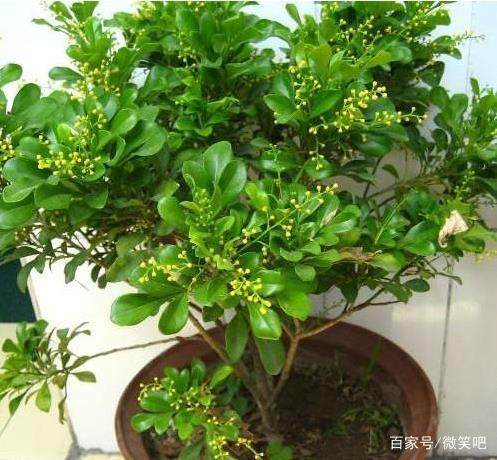
Many people confuse orange jessamine with orange jasmine (Aglaia odorata) and boxwood (Buxus), as the leaf shapes of the three are indeed similar. However, the leaves of orange jessamine are mostly odd-pinnately compound, and its flowers are pure white with a strong fragrance; the flowers of Aglaia odorata tend toward yellow and are as small as grains of rice; boxwood has simple, opposite leaves and usually does not bear conspicuous flowers. Grasping these two points - flower color and leaf shape - allows you to distinguish them fairly quickly.
In terms of cultivation and care, orange jessamine prefers a warm, humid environment with plenty of sunlight, and is suitable for planting in loose, fertile, well-drained, slightly acidic soil. During the growing season, keep the potting soil moist but not waterlogged; before and after flowering, a suitable supplement of phosphorus and potassium fertilizer helps the flowers bloom abundantly and the fragrance become stronger. Its cold tolerance is relatively weak, so in northern winters it needs to be moved indoors or given cold protection measures, and it should be placed in a spot with as much light as possible.
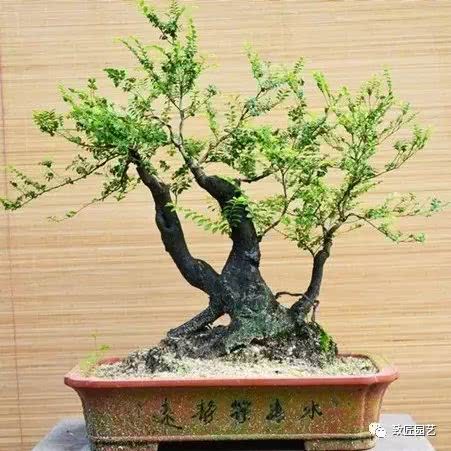
The branches of orange jessamine are supple and have strong sprouting ability, and it tolerates pruning well, making it an excellent material for making bonsai; old stumps look even more rugged and aged after being trained and pruned. Propagation is mostly done by cuttings: select robust branches and insert them into sandy soil, taking care to keep them moist and shaded, and once they have rooted they can be divided and planted. In daily care, pay attention to ventilation and light, and guard against common pests such as scale insects and red spider mites, and the plant will grow vigorously.
Related Reading