Old stump black-bone fragrant (Diospyros vaccinioides) bonsai, also known as black-bone tea, rosewood
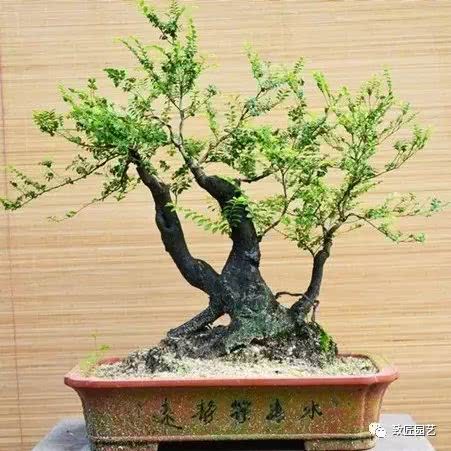
Stump bonsai rosewood black-bone tea
Black-bone fragrant is a variety of Diospyros vaccinioides, also known as black-bone tea, and some absurdly call it small-leaf rosewood. Bonsai made from black-bone tea are high-end, elegant and classy, and also have excellent collectible value.
Rosewood bonsai stump black-bone fragrant with pot
Black-bone tea grows very slowly, and finished large tree-form works often appear in Taiwan, China bonsai magazines. Although its name is not as lofty as small-leaf rosewood, as a bonsai it is truly better than small-leaf rosewood.
Sapling potted rosewood black-bone tea
Black-bone fragrant is mainly a foliage-oriented bonsai species. Its leaves are relatively small and evergreen all year round, its bark and roots appear black, and its wood is also very hard.
Rosewood stump potted black-bone tea
Black-bone tea is also the slowest-growing species among Lingnan bonsai, so when selecting a stump, special attention must be paid to choosing a stump that has grafted shoulders, or preferably one with young branches.
Bonsai stump ebony black-bone tea
Black-bone tea has very strong sprouting ability and roots quickly. After cutting the stump, it can sprout within a few days, and by 60 days new roots can be seen, so its survival rate is very high.
Rosewood stump bonsai black-bone fragrant
Once the root system of black-bone tea has grown, it very much likes fertilizer. Simply apply decomposed farmyard manure on the surface of the pot, so that each time it is watered, its nutrients are slowly dissolved, which is even more beneficial for the stump to absorb.
Office stump potted black-bone fragrant ebony
Black-bone tea can sprout a new shoot once every quarter, and pruning can be done in all four seasons of the year, but each pruning must be carried out after the new shoots have matured, with spring and autumn being the best.
Rosewood stump potted black-bone tea
When watering black-bone tea bonsai, be sure to follow the principle of heavy dry and heavy wet, do not water when not dry, and water thoroughly when watering. After Minor Snow, stop fertilizing, and do not let slow growth appear because of a shortage of fertilizer and water.
Featured content