Detailed Guide to Pest and Disease Control for Orange Jessamine
It prefers sandy soil and sunny locations. In southern regions it is often used as hedge material, or as an ornamental accent for flower beds and hotels, and also as bonsai material. Below, let us take a look at the pests and diseases of orange jessamine and detailed control methods.
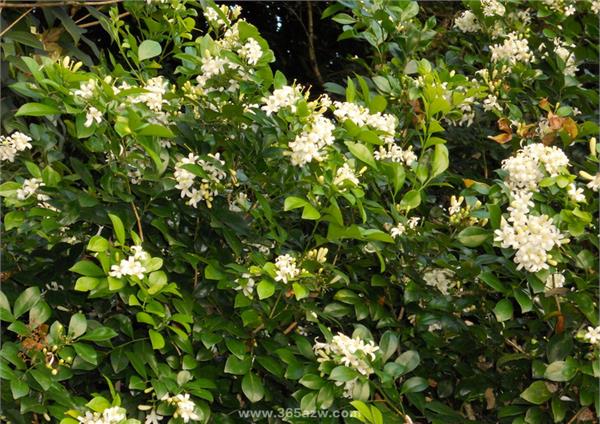
Pests and Diseases of Orange Jessamine and Detailed Control Methods
Orange jessamine has an elegant plant form, beautiful branches and leaves, and a rich floral fragrance. In southern regions it is often used as hedge material, or as an ornamental accent for flower beds and hotels, and also as bonsai material. Orange jessamine also has good medicinal value, with the effects of promoting qi and blood circulation, dissipating blood stasis and relieving pain, and detoxifying and reducing swelling.
I. Red Spider Mite
Occurrence pattern: It harms leaves, attaching to the leaves and piercing them to suck sap, causing nutritional deficiency in the plant, resulting in leaf chlorosis and yellowing, and leading to massive leaf drop. It is prone to occur during high temperature and drought.
Control methods: Pay attention to checking the leaves. When red mites the size of a pinhead are found crawling on the leaf surface or underside, continuously spray 2-3 times with a 1000-times aqueous solution of Lorsban, or a 1500-times aqueous solution of Mite-Kill, or a 2000-times aqueous solution of Meisaoli for control, spraying once every 10-15 days. For household potted orange jessamine, a 25-30 times aqueous solution of red chili pepper, or a 25-30 times infusion of dried tobacco leaves can be sprayed, or after moistening the leaves with clean water, sprinkle a layer of sulfur powder on them.
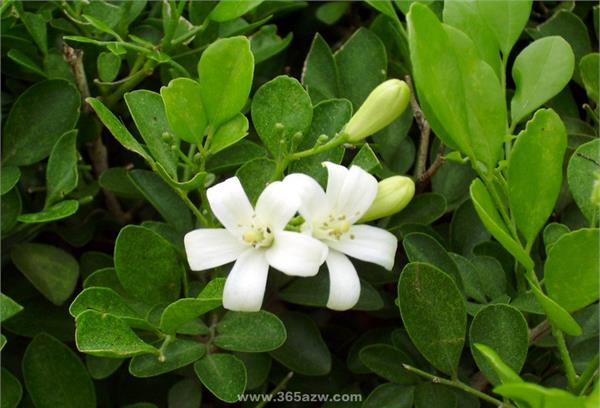
II. Twig Longhorn Beetle
Occurrence pattern: It harms branches and twigs, boring in from the epidermal layer to cause damage, forming galleries, weakening tree vigor, and in severe cases causing branches and twigs to break or even die.
Control methods: During the growing season of orange jessamine, pay attention to frequently checking the branches and twigs. When insect frass is found discharged, locate the insect hole, then dip cotton in undiluted dichlorvos and plug the entrance of the hole, so that the twig longhorn beetle is suffocated to death inside the gallery. During the season when twig longhorn beetles lay eggs and hatch, generally in autumn, spray the branches and twigs once every 7-10 days with an aqueous solution of Lorsban, or a 1000-times aqueous solution of Dusban, continuously spraying 2-3 times, which can kill the eggs and newly hatched larvae.
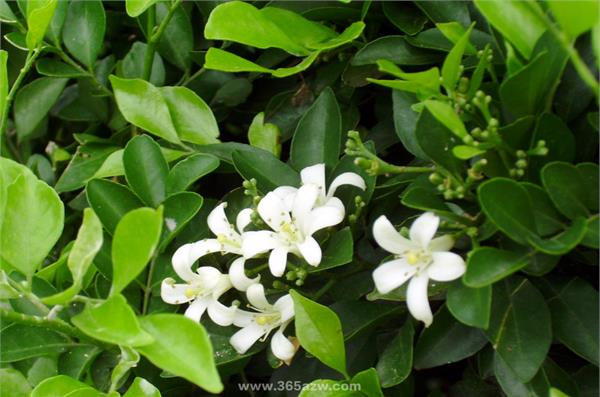
III. Scarab Beetles and Swallowtail Butterflies
Occurrence pattern: They harm leaves, mainly gnawing on young leaves, reducing leaf quantity, weakening tree vigor, and affecting normal growth.
Control methods: During the growth period of young leaves, spray once with an 800-times aqueous solution of trichlorfon, or a 1000-times aqueous solution of Yibianjing for control. For household potted orange jessamine, manual capture can be adopted for control, and the captured pests can be killed by scalding with hot water.
IV. Leafroller Moths and Aphids
Occurrence pattern: They harm young leaves, causing leaves to curl and then die, or causing growing points to shrivel and stop growing, affecting normal leaf growth.
Control methods: During the growth period of young leaves, spray once with a 1500-times aqueous solution of Yashijing, or a 1500-times aqueous solution of Dagongchen, or a 1500-times aqueous solution of Anlubao for control, killing the larvae.
Precautions for fertilizing orange jessamine:
1. Liquid fertilizer applied to orange jessamine should not be too concentrated; it must be diluted before use, otherwise fertilizer burn is likely to occur. Organic fertilizer and cake fertilizer must be fully decomposed before application.
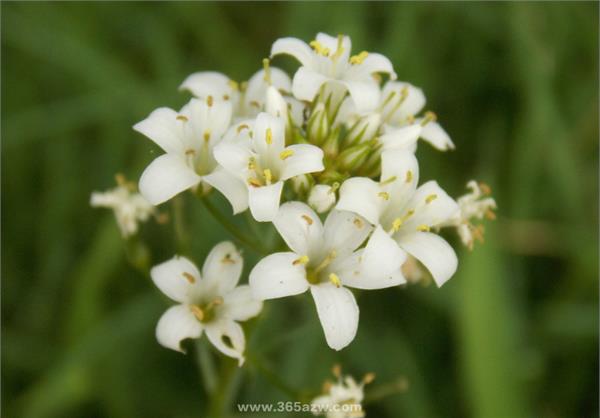
2. For newly potted orange jessamine, do not fertilize when new roots have not yet grown.
3. When the potting soil of orange jessamine is dry, water after fertilizing. Fertilizing before rain is better. Do not fertilize on rainy days, and liquid fertilizer water should not be sprinkled on the leaf surface.
4. During the growing season, topdressing for orange jessamine should use quick-acting fertilizer, and during the dormant period, slow-release fertilizer should be used. Generally do not fertilize during the plum rain season and autumn.
What fertilizer to apply to orange jessamine:
Fertilizing orange jessamine requires attention to the combined use of nitrogen, phosphorus and potassium. During the flowering period, less nitrogen fertilizer should be applied and potassium fertilizer should be appropriately supplemented. Today, based on years of flower-growing experience, the editor recommends a relatively easy-to-use fertilizer for orange jessamine - Huinong Special Fertilizer for Flowers. The fertilizer is a foliar fertilizer for flowers, a high-efficiency compound microecological preparation integrating nutrition and health care. This fertilizer contains rich active glucose, enzymes, nucleic acids, higher alcohols, unknown growth-promoting factors and active beneficial microorganisms, etc., and can directly pass through the surface cells of orange jessamine into deep cells to participate in the crop's metabolic activities. It can effectively improve the ornamental effect of orange jessamine, such as making the leaves of orange jessamine fresh green and glossy, the flowers brightly colored, and the flowering period long and not easy to wither.