Lotus Cultivation Methods and Care Tips: You Can Get Blooms Even in a Home Tub
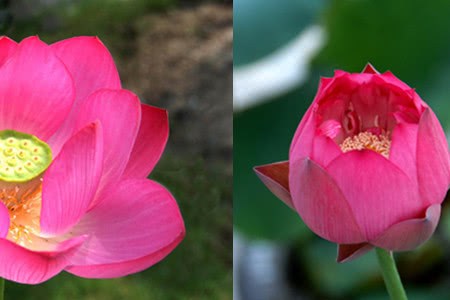
Lotus cultivation refers to the process of growing lotus in ponds, water tubs, flower pots and other containers. The lotus is a typical aquatic flowering plant that likes warmth, sunlight and still water. As long as the water level, light and nutrients are managed properly, you can grow a tub full of green leaves and elegant blooms in a courtyard water tub or a large pot on a balcony.
There are many lotus varieties, which can be roughly divided by use into ornamental types, seed lotus types and rhizome lotus types. Among the ornamental types there are also large varieties and small bowl lotus types. Bowl lotus plants are compact and can be grown in a fairly large flower pot, making them suitable for balcony display; courtyard water tubs or small ponds are better suited to medium and large varieties with a spreading habit and abundant blooms.
For lotus cultivation, it is best to use clay soil rich in humus, such as pond mud. When planting, insert the seed rhizome obliquely into the mud with the growing tip facing up, and keep the water shallow at first, gradually deepening the water level as the upright leaves emerge. The lotus is a strongly sun-loving plant and should ideally receive long hours of direct sunlight each day; insufficient light easily leads to leaf growth without flowering. During the peak growing season, you can supplement with fertilizer mainly containing phosphorus and potassium to help flower bud differentiation.
A common problem is lush lotus leaves with no flower buds appearing for a long time, which is mostly related to a container that is too small, insufficient light, too much nitrogen fertilizer, or a variety that naturally has mediocre flowering. After winter sets in, the above-ground parts withering is normal. Keep the pot mud moist and prevent it from freezing through; when temperatures rise the following year, the seed rhizomes will sprout again and continue to grow and bloom.
Related Reading