Detailed Explanation of Key Points for High-Quality and High-Yield Tomato Cultivation Techniques
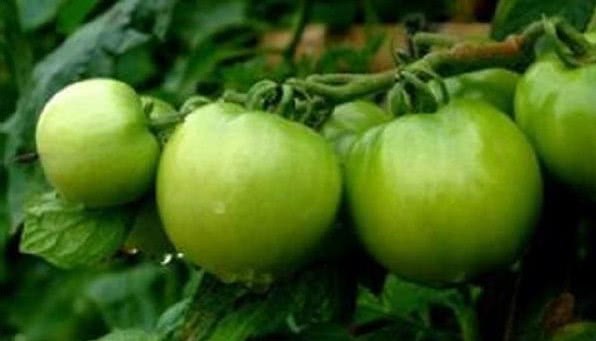
How can high-quality and high-yield cultivation of tomatoes be achieved? What kind of growing environment is actually suitable for tomato growth, and what are the better cultivation techniques? The analysis of tomato cultivation techniques is summarized as follows:
1 Growth Characteristics of Tomatoes
First, tomato growth cannot be separated from sunlight. If sunlight is insufficient, it is very easy for the fruits or roots, stems, and leaves of tomatoes to develop diseases, and the result is that the flesh is very small and tastes sour and astringent. However, excessively high light intensity will also cause the plants to stop growing. Second, the selection of the ground soil for planting tomatoes is also very important. They should be planted in a flat and open place, and the soil should have a certain level of fertility, the soil layer should also have a certain thickness, and it should be easy to irrigate. Then, the best time for cultivating tomatoes is December, which is most suitable for newly developing seedlings and can also ensure that the time for maturity and market availability occupies an earlier position. Finally, there is care. Throughout the entire process of tomato maturity, some plants need to be pruned, commonly known in local dialect as "pinching the branch tips." This can help tomatoes grow in a healthy direction. In addition, during their growth process, if the plants grow relatively large and tall and are also dense, support stakes need to be provided for them so they can grow healthily.
2 Tomato Cultivation Techniques
2.1 Cultivation Techniques
This stage has five technical issues that need attention, namely seed selection, pre-germination, germination, planting, and seedling separation.
First, seed selection is a key step. For the terrain and climate of Shanxi, seeds with strong drought resistance, strong disease resistance, high yield, and good quality are the best choice, such as Dahong No. 1 and Beijing Pink Queen, among others. In addition, some hybrid varieties are also excellent seeds.
Second, after selecting the seeds, preliminary cultivation should be carried out to let them germinate, but before germination a certain amount of preparatory work should also be done. For example, the seeds should first be disinfected, which can allow the seeds to suffer less or no invasion by pathogens during growth. The specific disinfection method is to soak them in warm broth, or use trisodium phosphate instead. Both methods can ensure that the seeds germinate smoothly and safely.
Third, seed germination should be carried out at a suitable temperature, generally between 20°C and 25°C. Germination acceleration under this environment also requires ensuring that sufficient humidity is provided for the seeds, frequent watering, and real-time observation with tracking records.
Fourth, after germination acceleration, the tomato seeds need to be planted, but before that a suitable seedbed suitable for seed growth should be selected, and the germinated seeds should be evenly scattered on the selected seedbed. This seedbed should be watered in advance, and then soil should be covered over it. After the seeds are scattered on the soil, if there is concern about the effect of low temperature, plastic film can be covered to maintain suitable temperature, which can further ensure the seedling emergence rate of the seeds. Finally, there is seedling separation. After the seedlings produce two leaves, separate the seedlings so that each plant is 10 cm apart, then cover them firmly with soil. During this period, the supply of nutrients must be sufficient so as to ensure the survival rate of the seedlings.
2.2 Technical Details During Seedling Growth
During seedling growth, temperature is the most basic and also the most important detail to pay attention to. The day-night temperature difference in the Shanxi region is relatively large, so temperature control for the seedlings every morning and evening must be ensured to prevent the seedlings from dying due to sudden cold and heat. In addition, attention should also be paid to light. Seedlings need aerobic respiration, so sufficient light must be ensured. Growers should also observe every day whether the soil moisture for seedling growth is appropriate. If water is insufficient, water should be given in time, and it must not be too dry.
During the seedling growth period, the demand for nutrients is very high, just like a nursing infant, so nutrients should not be stinted when providing them.
2.3 Management Techniques During the Plant Growth Period
The technical points in this period include six aspects: seedling recovery, environment, defense against diseases and insect pests, fertilization and weeding, pollination, fruiting, and pruning during the period. During the seedling recovery period, if vegetable growers use greenhouses, then it must be ensured that there are three to five days of closure, which is beneficial for the smooth progress of seedling recovery. The daily growth temperature of tomato plants during the growth period should be controlled between 10°C and 15°C, ensuring humidity and light. During this period, the breeding of diseases and insect pests is also relatively serious. For common ones such as gray mold, root rot, and aphids, defense should be carried out in advance, and corresponding insecticides should be used to eliminate them. Tomatoes should also be fertilized regularly, and wild weeds in the field should be removed in time, because these wild weeds growing around the tomatoes will absorb the nutrients meant for the tomatoes themselves, causing their growth speed to slow down, the roots, stems, and leaves of the plants to become smaller, and even breeding diseases and insect pests, so they should be cleared in time. The pollination step of tomatoes is indispensable. In some cases, artificial pollination is adopted, including some vegetable growers releasing their own bees to help tomatoes complete this important step, so that the growth environment of the plants and the quality of the flesh as well as the nutritional components can be effectively ensured not to be lost. Finally, there is the pruning step. This technique is also very important. The principle of pruning is that each tomato plant only needs to retain three to four trusses of fruit. Otherwise, if there are too many, the nutrients for each tomato will be insufficient, and the taste will also be poor, with a sour and astringent feeling.
Tomatoes are a variety with relatively high nutritional value among vegetables, and their market demand also determines that their planting area will become larger and larger. In order to adapt to this large market supply, it is necessary to produce high-quality, nutrient-rich tomatoes, so cultivation techniques are particularly important. From the discussion in this article, it can be seen that tomato cultivation techniques require extremely careful study and attention in order to ensure their quality and yield.