A Detailed Guide to Key Osmanthus Cultivation Techniques to Help You Grow a Tree Full of Fragrant Blooms
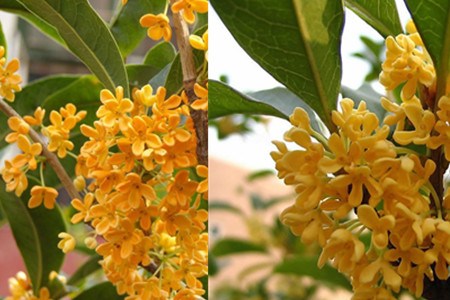
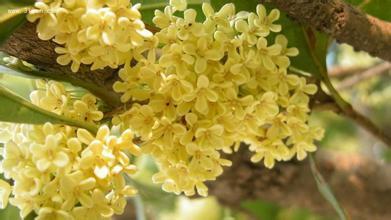
Osmanthus (Osmanthus fragrans) is an evergreen small tree or shrub of the genus Osmanthus in the family Oleaceae. It is famous for its rich floral fragrance and is one of China's traditional famous flowers. Common cultivated groups include Jingu (Osmanthus fragrans 'Aurantiacus'), Yingui (Osmanthus fragrans 'Albus'), Dangui (Osmanthus fragrans 'Aurantiacus'), and Sijigui (Osmanthus fragrans 'Semperflorens'), among others. Among them, Jingu has golden-yellow flowers and a relatively strong fragrance, Dangui has more orange-red flowers, and Sijigui has a longer flowering period. When planting, you can choose a suitable variety according to ornamental needs and the local climate.
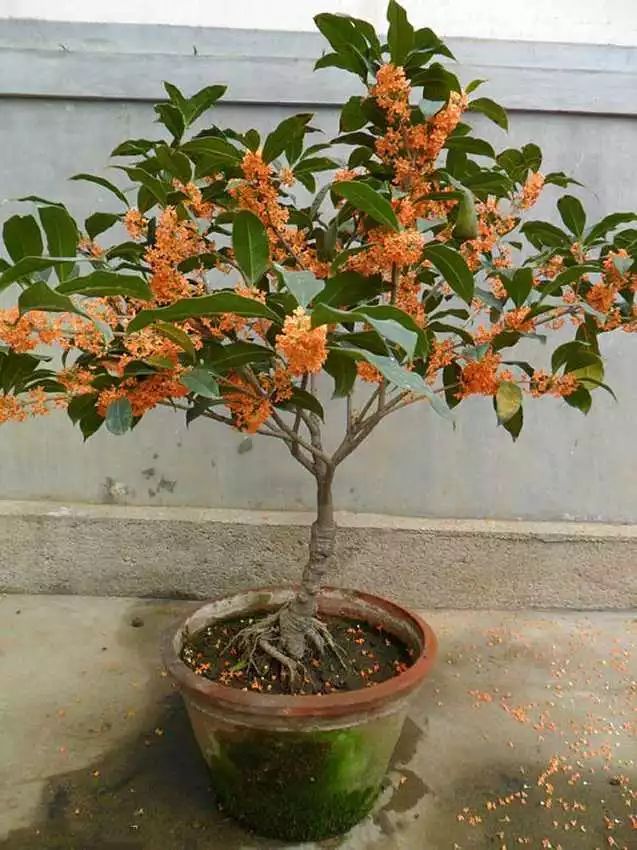
When cultivating osmanthus, the first thing is to choose a good environment. It likes a warm, humid climate and sufficient light, and is best planted in a wind-sheltered, sunny spot with higher terrain and smooth drainage. The ideal soil is loose, fertile, slightly acidic sandy loam. Osmanthus is afraid of waterlogging; if it remains in a low-lying, damp place for a long time, the roots are prone to rot. When growing it in a pot, you can place a drainage layer at the bottom of the pot and choose a flowerpot with good air permeability.
In daily care, watering should follow the principle of not watering until dry, and watering thoroughly when you do, avoiding long-term excessive moisture in the potting soil. Fertilizing can be done after spring sprouting and before autumn flowering, mainly with decomposed organic fertilizer, supplemented with an appropriate amount of phosphorus and potassium fertilizer, which helps flower bud differentiation and makes the flowers bloom more abundantly and fragrantly. Pruning should be scheduled after flowering, cutting off dead branches, diseased branches, and overly dense branches to keep the canopy ventilated and light-permeable and to make the plant shape more attractive.
Common problems in care include yellowing leaves and failure to bloom. Yellowing leaves are mostly related to alkaline soil, overwatering, or iron deficiency, and can be addressed by improving the soil and controlling water reasonably. Failure to bloom is often caused by insufficient light, excessive nitrogen fertilizer, or improper pruning, so sufficient sunlight should be ensured and fertilization should be balanced. In addition, watch out for pests such as scale insects and red spider mites, and deal with them promptly when found, so that osmanthus can grow robustly and fragrance the air year after year.
Related Reading