How to grow mulberries in pots? A full guide to simple cultivation techniques
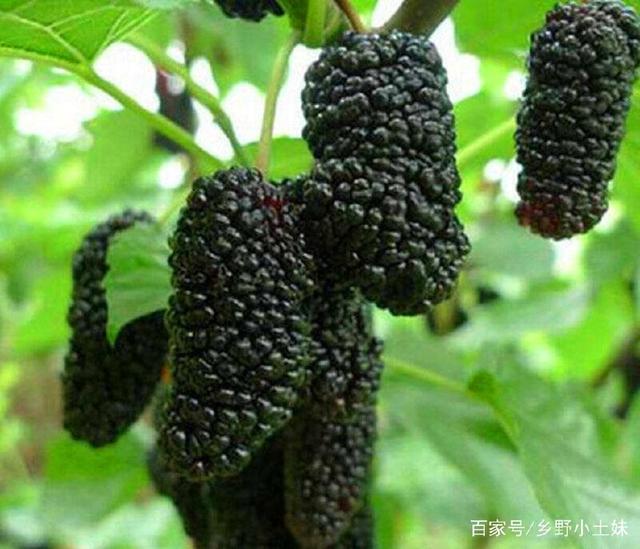
Mulberries are rich in nutrients and have effects such as nourishing the liver and kidneys, enriching the blood and beautifying the complexion, improving eyesight and calming the mind. They can boost the human immune system, and long-term consumption can promote longevity. In recent years, with the rise of potted fruit trees, potted mulberries have increasingly won the favor of potted plant enthusiasts.
Potted mulberries are highly adaptable. They drop their leaves in winter, prefer warmth, and tolerate cold. The optimal growing temperature is 25-30°C; growth stops below 12°, and sprouting begins above 12°C. A pot can simply be placed in a courtyard or on a balcony.
Potted mulberries like light and tolerate slight shade. Insufficient light easily leads to leggy growth, which is unfavorable for flower bud differentiation. For home pot cultivation, let them receive as much sunlight as possible.
Potted mulberries are not demanding about soil; loose, fertile sandy loam is best. The potting soil can be made by mixing 6 parts garden soil with 4 parts leaf mold and a small amount of decomposed cake fertilizer.
Potted mulberries are drought-tolerant and tolerant of wet conditions, but not of waterlogging. Their leaves are large and thin, and their water demand is high. During the growing season, keep the potting soil moist; do not wait until it is completely dry before watering, but prevent water from accumulating in the pot.
During the growing season, apply a diluted cake fertilizer solution to potted mulberries once every 7-10 days. During the flowering and fruiting period, additionally spray a 0.3% potassium dihydrogen phosphate solution once every 5-7 days.
After harvesting the mulberries from potted plants, carry out summer pruning: cut back the fruiting mother branches to 2-3 buds to encourage new shoots that will serve as next year's fruiting branches. The earlier the cutback is done, the more beneficial it is for new shoot growth and flower bud differentiation.
In winter pruning of potted mulberries, cut away very weak branches and diseased or pest-infested branches, and shorten the fruiting branches by cutting off the underdeveloped upper portions of the fruiting branches.
For mulberries grown as bonsai, summer pruning may be skipped; one winter pruning is enough.